Summary
The Chitungwiza Municipality (“Municipality”) is home to between 400,000 and 650,000 residents and includes a river basin comprised of the Muda Dam, Seke/Harava tributaries, Nyatsime River watercourses, and tributaries of the Manyame River.
Zimbabwe’s Urban Councils Act § 168 requires municipalities to provide potable water to residents and ensure the treatment of raw sewage generated within its jurisdiction. Zimbabwean municipalities are further prohibited from discharging, or permitting the discharge of, pollutants in the aquatic environment under Environmental Management Act § 57.
Since at least 2013, the Municipality caused or otherwise permitted the discharge of raw sewage into its streams and drinking water sources and failed to maintain its treatment plants, posing serious risks to humans and the aquatic environment. On two separate occasions, in December 2011 and July 2018, the Environment Management Board, housed within the Environmental Management Agency (“Agency”), found the Municipality guilty of discharging raw sewage into the environment and ordered the Municipality to cease its illegal activity. In May 2019, inspections conducted by the Agency revealed that the Municipality continued to discharge raw sewage into the aquatic environment at unregistered discharge points in violation of Environmental Management: Effluent and Solid Waste Disposal Regulations § 5(1). The inspections also revealed that the Municipality failed to meet its duty to set up waste collection sites, decommission an unlined solid waste dumpsite, and construct a landfill. A ticket of $5,000.00 was issued with an order to repair the impacted sites.
The Municipality’s failure to adopt the ordered remedies continues to pose severe health and safety risks. The Chitungwiza municipal area is connected to others through confluences of waterways, polluting water far beyond its own municipality. In the context of climate change and dwindling water resources, water pollution compels the use of contaminated water and inhibits the alleviation of the harsh effects of droughts in the agriculture-based economy. Without a remedy in place, the water quality continues to impose health and safety risks to humans, including increased risk of cholera, typhoid, dysentery, and leads to the destruction of native plants and wildlife.
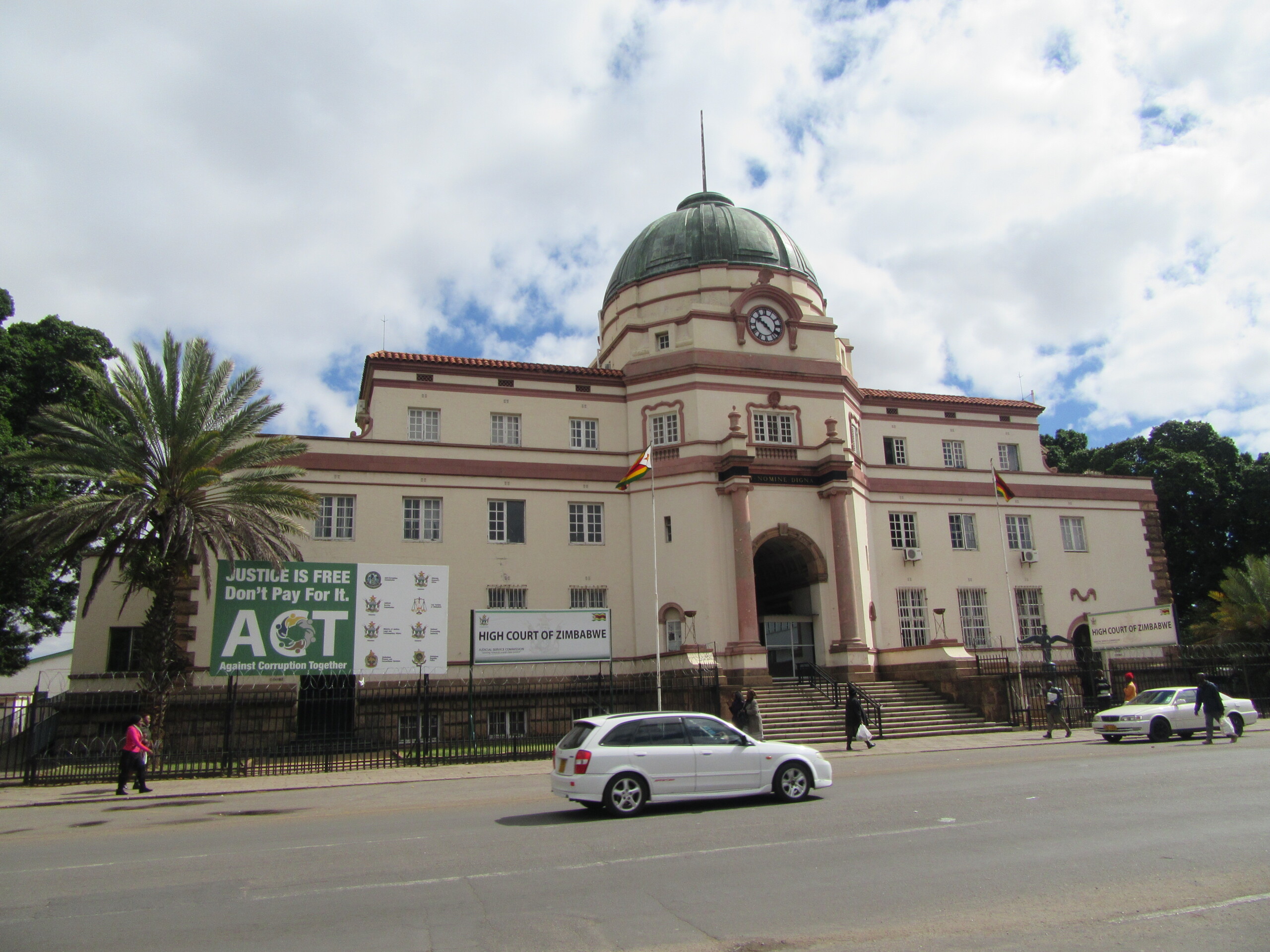
Accordingly, in June 2020, the Zimbabwe Environmental Law Association (ZELA) took action against the Municipality and Agency in the High Court of Zimbabwe for the illegal discharge of untreated sewage into Chitungwiza’s aquatic environment and water sources. ZELA sought a prohibitory interdict to enjoin the Municipality from any further discharge of raw sewage to the environment, and a mandatory interdict to direct the Municipality to repair or upgrade its water treatment plants and sewer systems to ensure proper treatment of sewage before discharge.
ZELA asserted that as a result of the Municipality’s failure to properly treat and dispose of sewage, it violates the Environmental Management Act and Regulations, the Urban Councils Act, and the Constitution of Zimbabwe. § 731(1)(a) of the Constitution guarantees every person a right to an environment that is not harmful to their health or well-being. This right is reinforced by the Environmental Management Act § (4)(1), which requires that all government agencies must prevent or minimize negative impacts on the environment, and § (4)(2)(g), which requires any party causing environmental degradation to remedy such degradation and resultant adverse health effects. Additionally, § 77(1)(a) of the Constitution guarantees the right to safe and clean water. Environmental Management Act § 57 reinforces this right by criminalizing the discharge of pollutants and hazardous substances into the aquatic environment and requiring the guilty party to pay for the cost of waste removal and restoration.
On December 16, 2020, the High Court (1) enjoined the Municipality from releasing untreated sewage into the environment; (2) ordered the Municipality to repair or update its water treatment plants and sewer systems to ensure proper treatment of sewage before discharge within three months of the order; (3) ordered the Agency to conduct an inspection within three months of the order to assess compliance with the Environmental Management Act and submit the inspection report to the Registrar of the High Court; and (4) ordered the Municipality to pay the costs of the suit on an attorney and client scale.