The International Criminal Court’s ongoing work to investigate and prosecute alleged war crimes, crimes against humanity and genocide in Palestine is one of the international community’s most important efforts to secure justice for victims and survivors of grave violations of international law. This work must be allowed to proceed independently, free from political interference or intimidation.
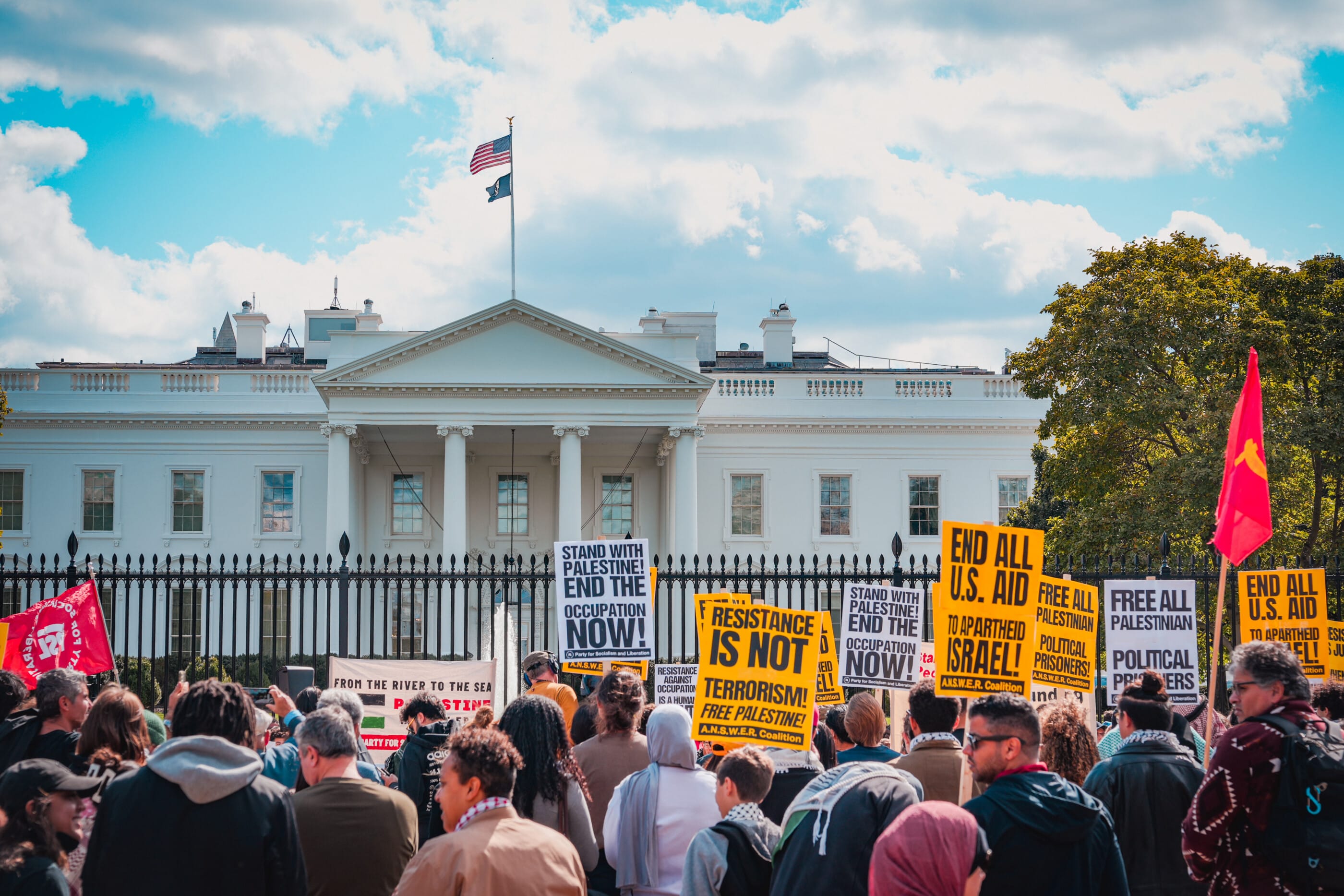
Against that backdrop, on 15 July 2026, Democracy for the Arab World Now (DAWN) and the Taxpayer Alliance Against Genocide (TAAG) filed a lawsuit challenging the Trump administration’s sanctions targeting those supporting international accountability for grave violations of international law. The plaintiffs argue that these measures unlawfully restrict advocacy, freedom of association, and engagement with international accountability mechanisms.
The sanctions were imposed under Executive Order 14203 (February 2025), after the ICC advanced investigations and arrest warrants related to alleged war crimes, crimes against humanity, and genocide. Rather than targeting only specific individuals, these measures undermine the broader system of international justice by discouraging engagement with the Court and those working to advance accountability. The order targets ICC officials, UN Special Rapporteur Francesca Albanese, and Palestinian human rights organizations, while discouraging organizations and individuals from working with them in pursuit of accountability and justice.
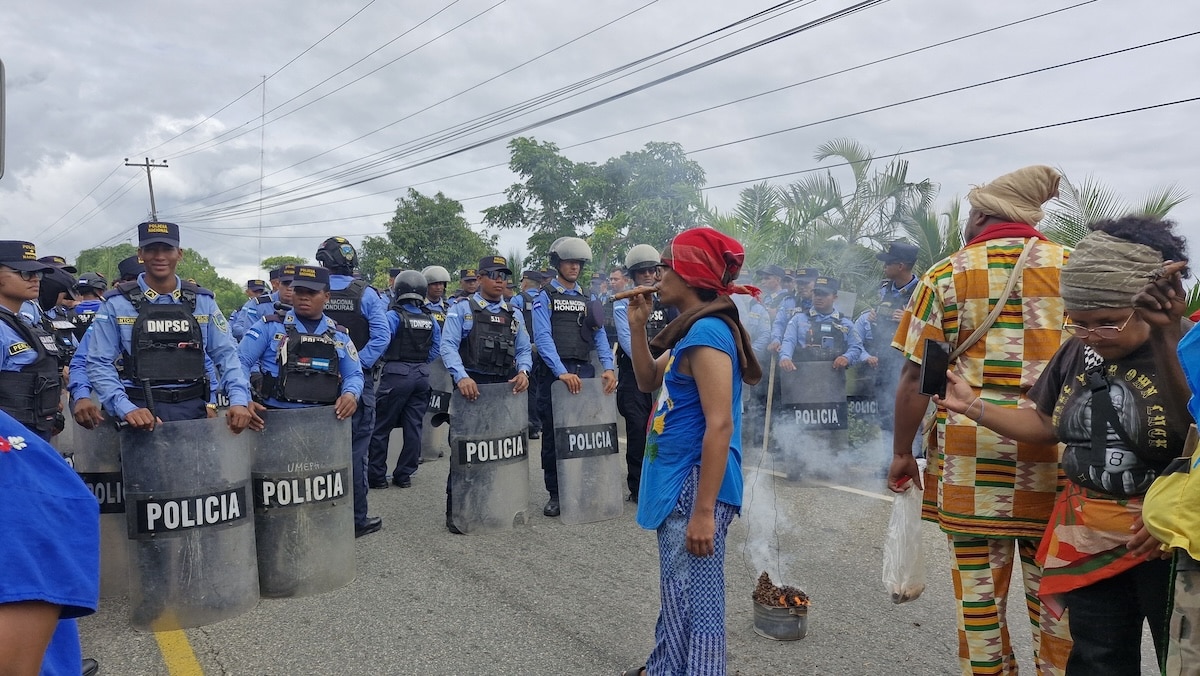
These sanctions are part of a broader pattern of collective criminalization that ESCR-Net members have documented across regions, where governments seek to silence communities defending their human rights and fundamental freedoms, weaken international solidarity, and shield powerful States and corporate actors from accountability. By punishing engagement with international accountability mechanisms, these measures further restrict the ability of victims, survivors, human rights defenders, and civil society organizations to pursue justice.
As a global network of more than 360 social movements, Indigenous Peoples, grassroots organizations, trade unions, and human rights organizations across more than 80 countries and territories, ESCR-Net knows that cross-border solidarity is essential to defending human rights. Our collective work depends on the ability of members to collaborate across borders, exchange knowledge, document violations, and engage freely with international accountability mechanisms. Measures that criminalize or deter this cooperation are a direct attack on civil society’s collective capacity to seek truth, justice, and accountability.
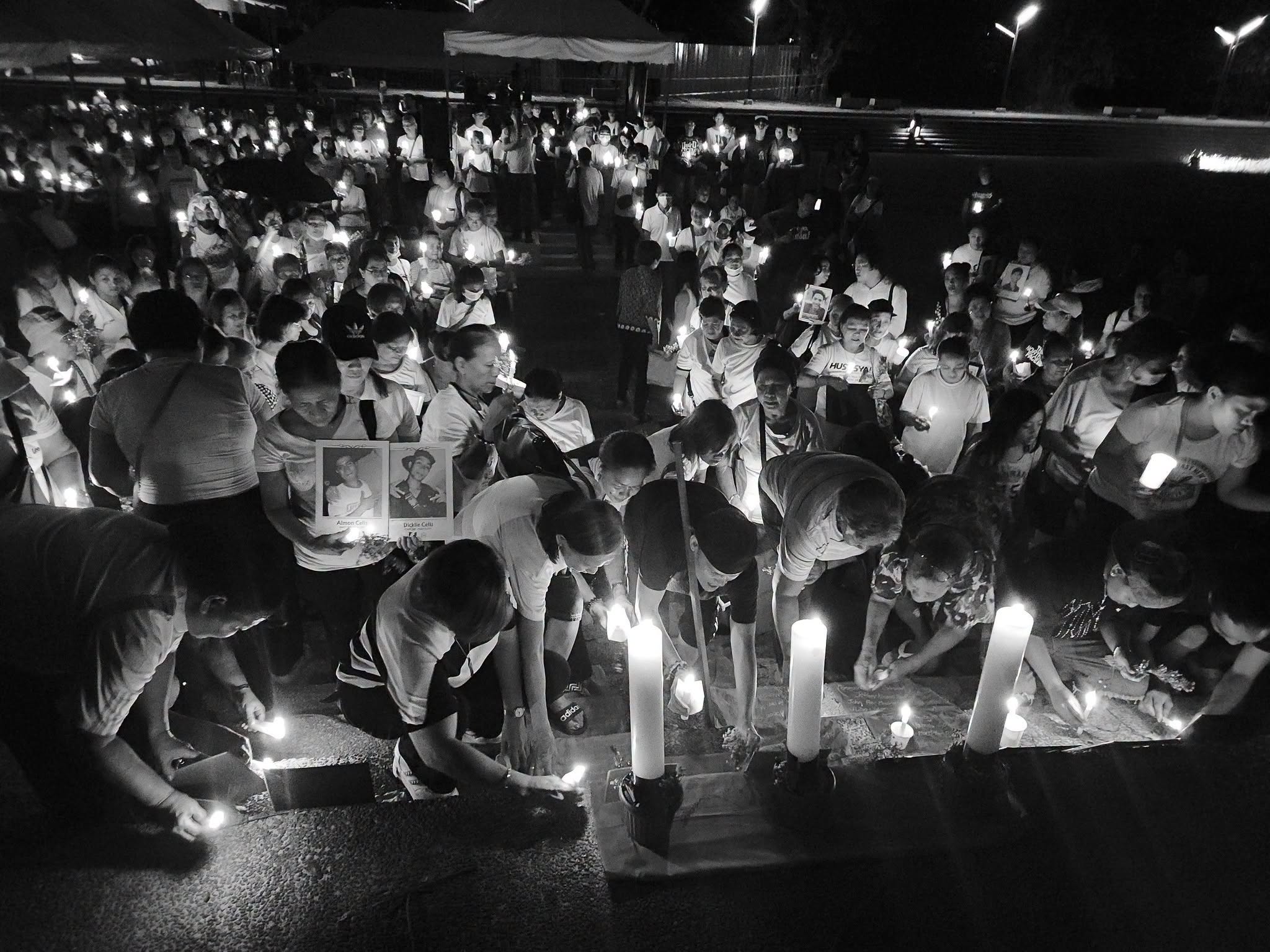
At a time when more than 73,000 Palestinians have been killed by Israeli forces in the ongoing genocide in Gaza since October 2023, including over 17,000 children, and nearly 1.9 million people remain displaced (according to the Gaza Ministry of Health, as reported by UN OCHA, July 2026), the work of the International Criminal Court, the United Nations human rights mechanisms, and the civil society organizations that support them must be defended to secure truth, justice, and accountability for victims and survivors of grave violations of international law.