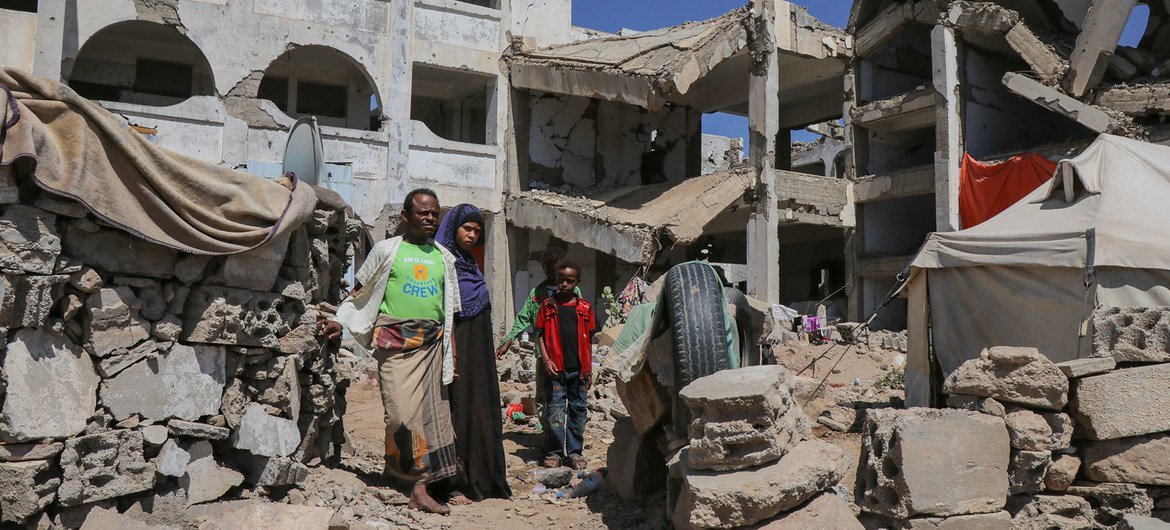
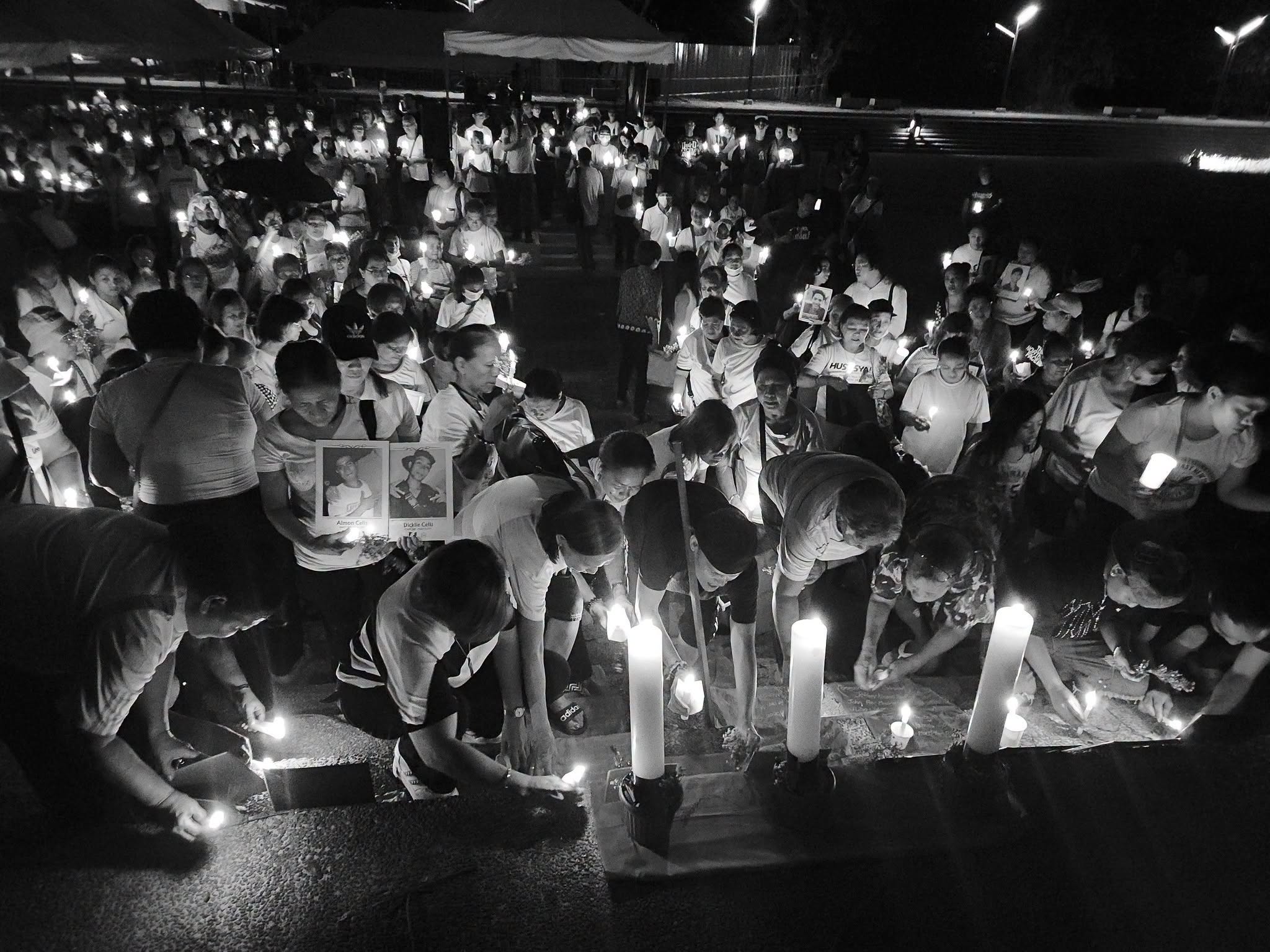
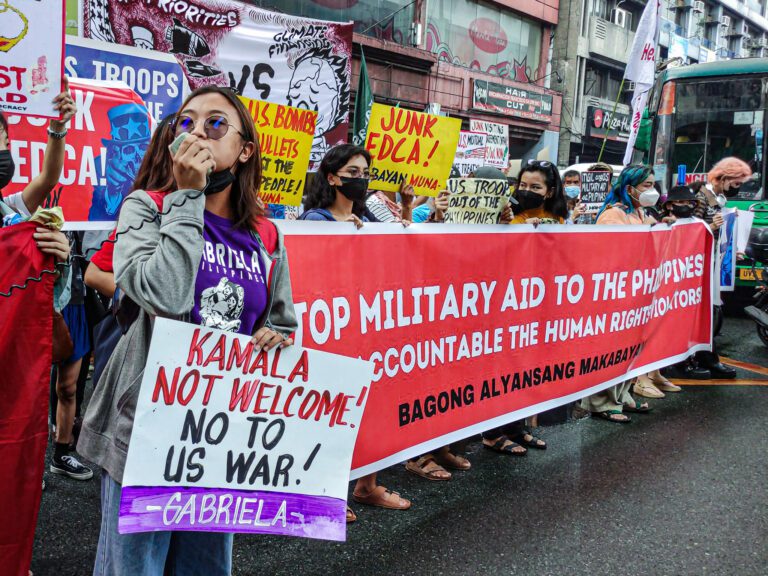
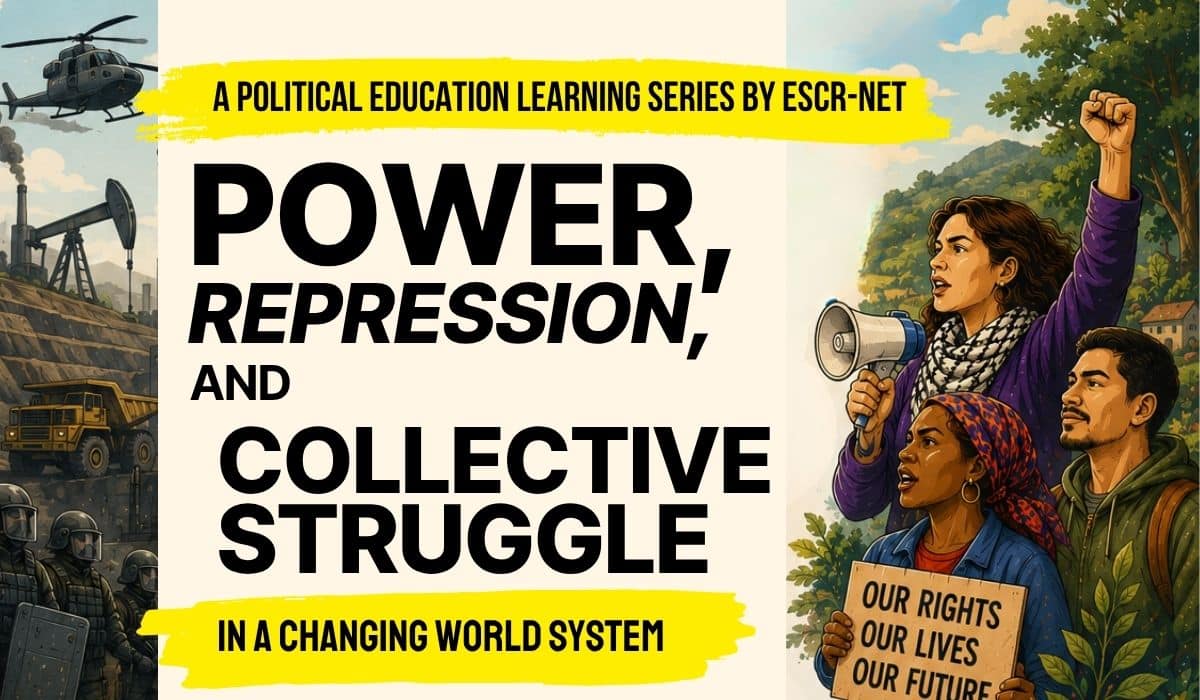
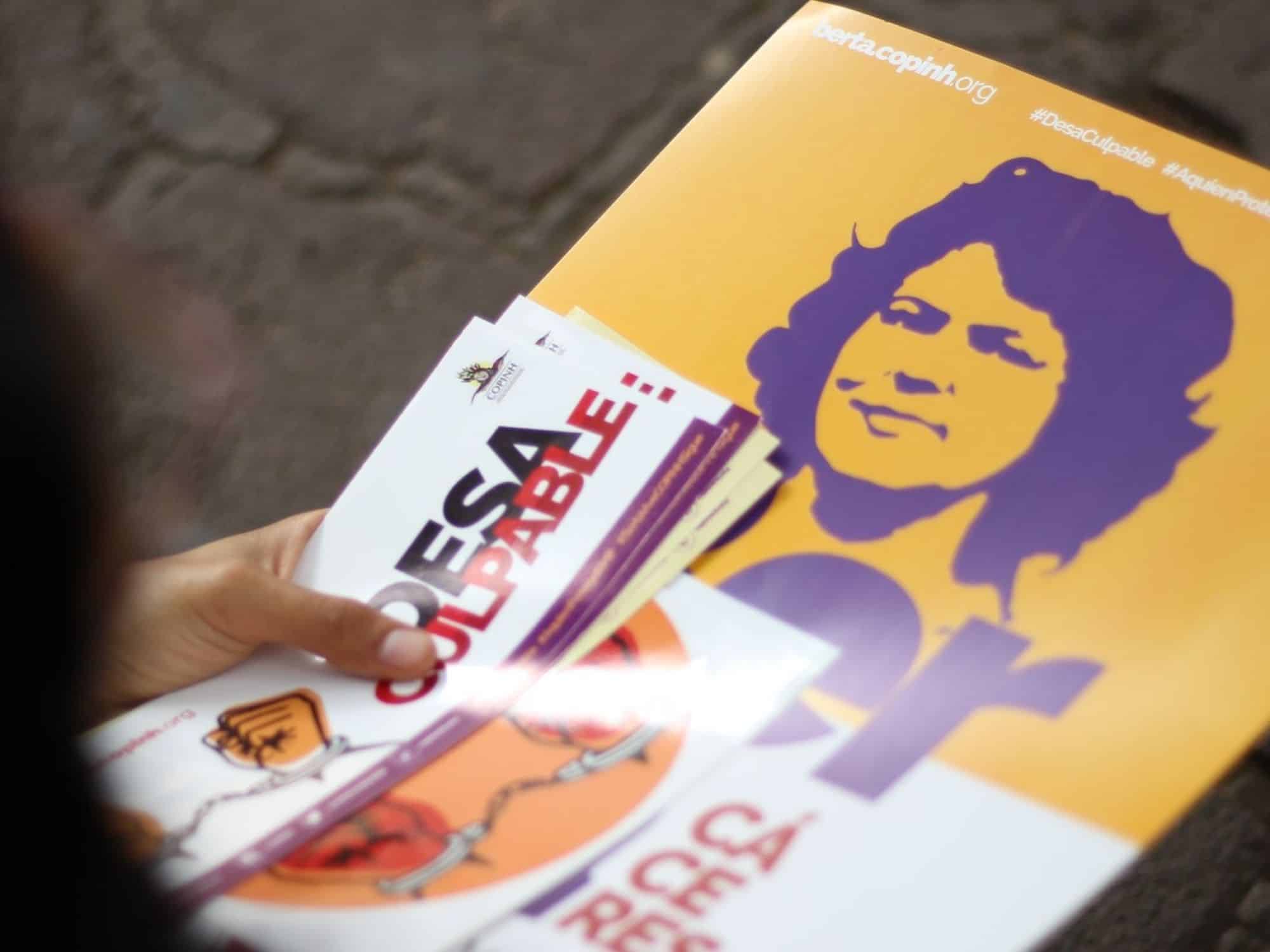
Across the world, social movements face relentless attacks—from land defenders in Latin America and Gaza to shack-dwellers in South Africa. These acts of repression are not isolated incidents, but part of a broader system that sustains economic and political power through violence—whether via state repression, forced evictions, militarization, or corporate exploitation.
The Political Economy of Violence (PEV) provides a critical lens to understand how contemporary global economic systems are built and maintained. As described by ESCR-Net, the PEV constitutes a structural web in which corporate interests, political elites, financial institutions, state security forces, and criminal actors converge to impose extractive projects at the expense of collective rights, territory, and ultimately the right to life.
Violence within this framework is not a byproduct of economic development, but a foundational mechanism that enables land expropriation, disciplines labor, and dismantles resistance in order to sustain profit-driven accumulation. At its core, the PEV helps us to examine who profits from violence (such as corporations, financial institutions, and ruling elites), how violence is deployed to secure economic and political power (through land dispossession, labor suppression, and the criminalization of resistance), and how violence intersects with enduring systems of oppression, including colonialism, racism, patriarchy, and imperialism.