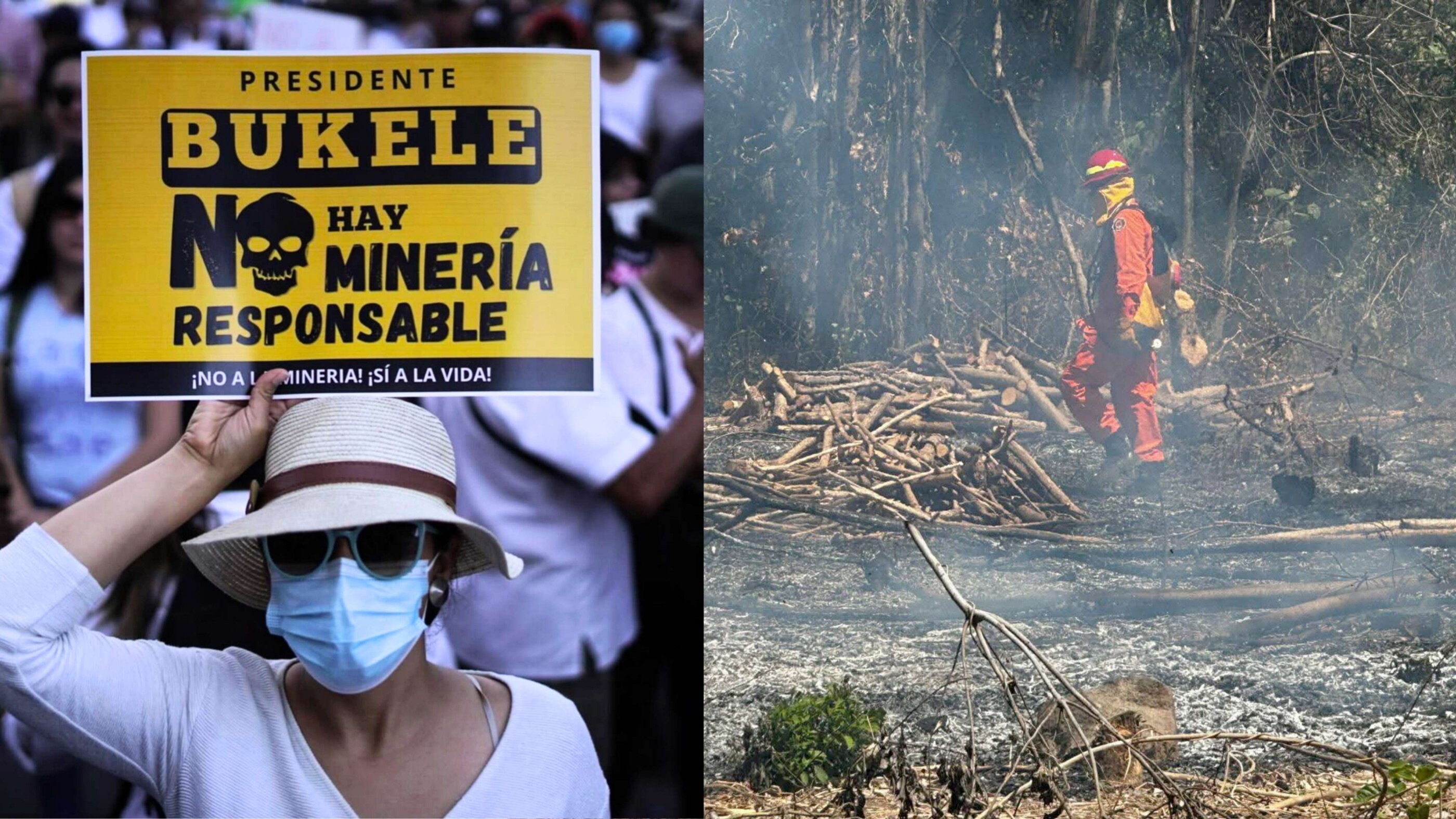
In the early hours of February 26, 2026, the agroecological production project of our member organization, Movimiento Unificado Francisco Sánchez-1932 (MUFRAS-32), in San Isidro, Cabañas, was deliberately attacked and set on fire. The arson destroyed productive infrastructure, crops, and irrigation systems that had sustained the community’s work for decades.
From ESCR-Net, we express our deep concern and full solidarity with MUFRAS-32 and the communities of San Isidro in the face of this violent attack. According to information shared by the organization, unknown individuals intentionally set fire to a community-managed agroecological farm, causing severe material and collective harm.
For more than 25 years, this project has represented a community-based alternative to extractivist models, promoting agroecology, food sovereignty, environmental protection, and grassroots organizing. It has generated local employment, provided technical training for rural women and youth, protected biodiversity, and ensured access to water for surrounding communities. Beyond its productive role, the project embodies a collective political vision rooted in care, autonomy, and territorial defense.
This attack cannot be understood as an isolated incident. The department of Cabañas has long been a site of conflict between communities defending their territories and extractive interests, particularly in relation to metallic mining. For years, organizations like MUFRAS-32 have opposed mining projects due to their harmful impacts on water sources, ecosystems, and rural livelihoods.
The attack also occurs in a shifting political context. Recent efforts to reopen the door to metallic mining in El Salvador have raised serious concerns among communities and environmental defenders. These developments have been accompanied by increased risks of intimidation, violence, and forced displacement. Members of MUFRAS-32, including environmental defenders Zenayda Serrano and Héctor Berríos, have been forced into exile after facing persecution linked to their opposition to extractive projects.