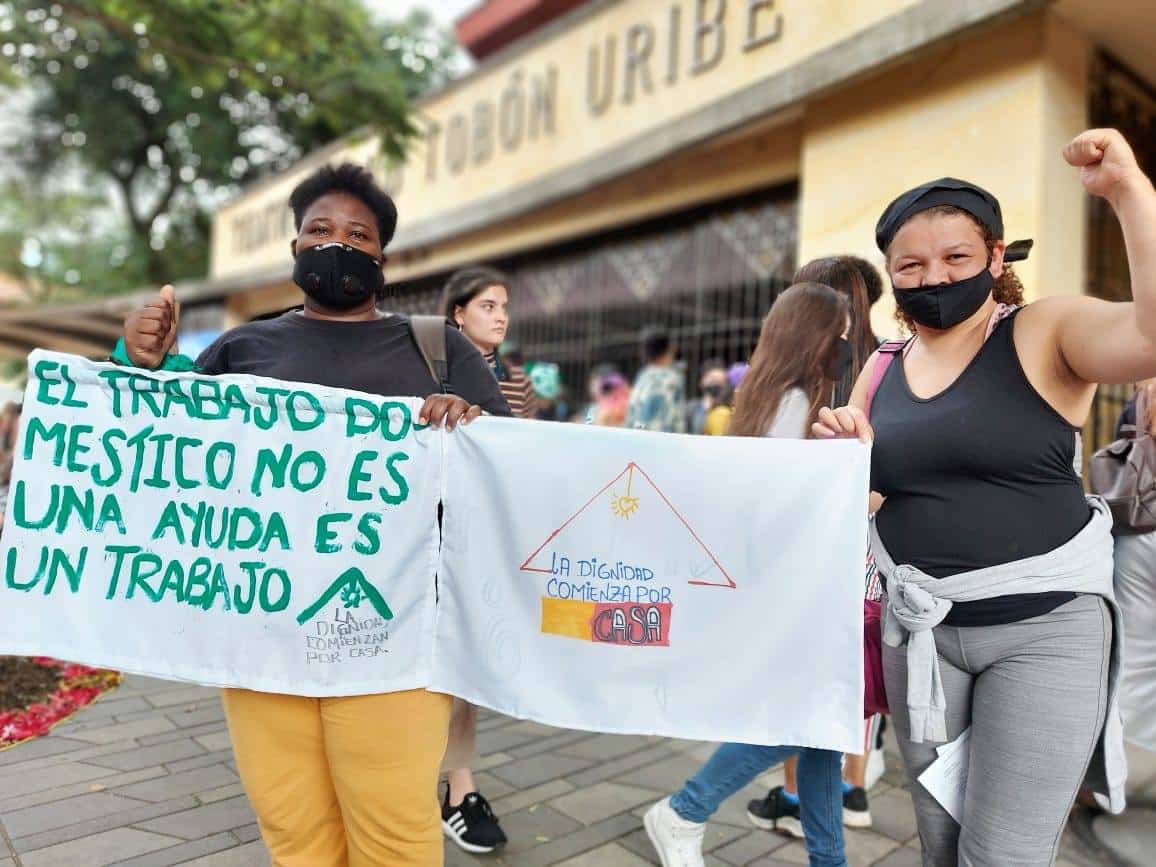
March 30 — International Domestic Workers’ Day in Latin America — highlights a stark reality: between 11 and 18 million people across Latin America and the Caribbean are engaged in paid domestic work, according to the Economic Commission for Latin America and the Caribbean (ECLAC) and the International Labour Organization (ILO). In Colombia alone, between 680,000 and nearly 1 million people work in the sector, more than 95% of them women. Yet for years, over 80% have been denied access to basic labor rights, including social security, while only a small minority hold formal contracts.
For years, domestic workers and feminist movements have denounced a reality that has been systematically rendered invisible — one that is now entering public debate through a Netflix series that reaches mass audiences.
“María La Caprichosa” has become a ratings phenomenon, reaching the Top 10 most-watched series in several Latin American countries and breaking with decades of dominant narratives in regional television. Instead of a white, urban, middle-class protagonist, the series centers a Black woman, a domestic worker and union leader, whose story is not aspirational fiction but a real trajectory of organizing and struggle.
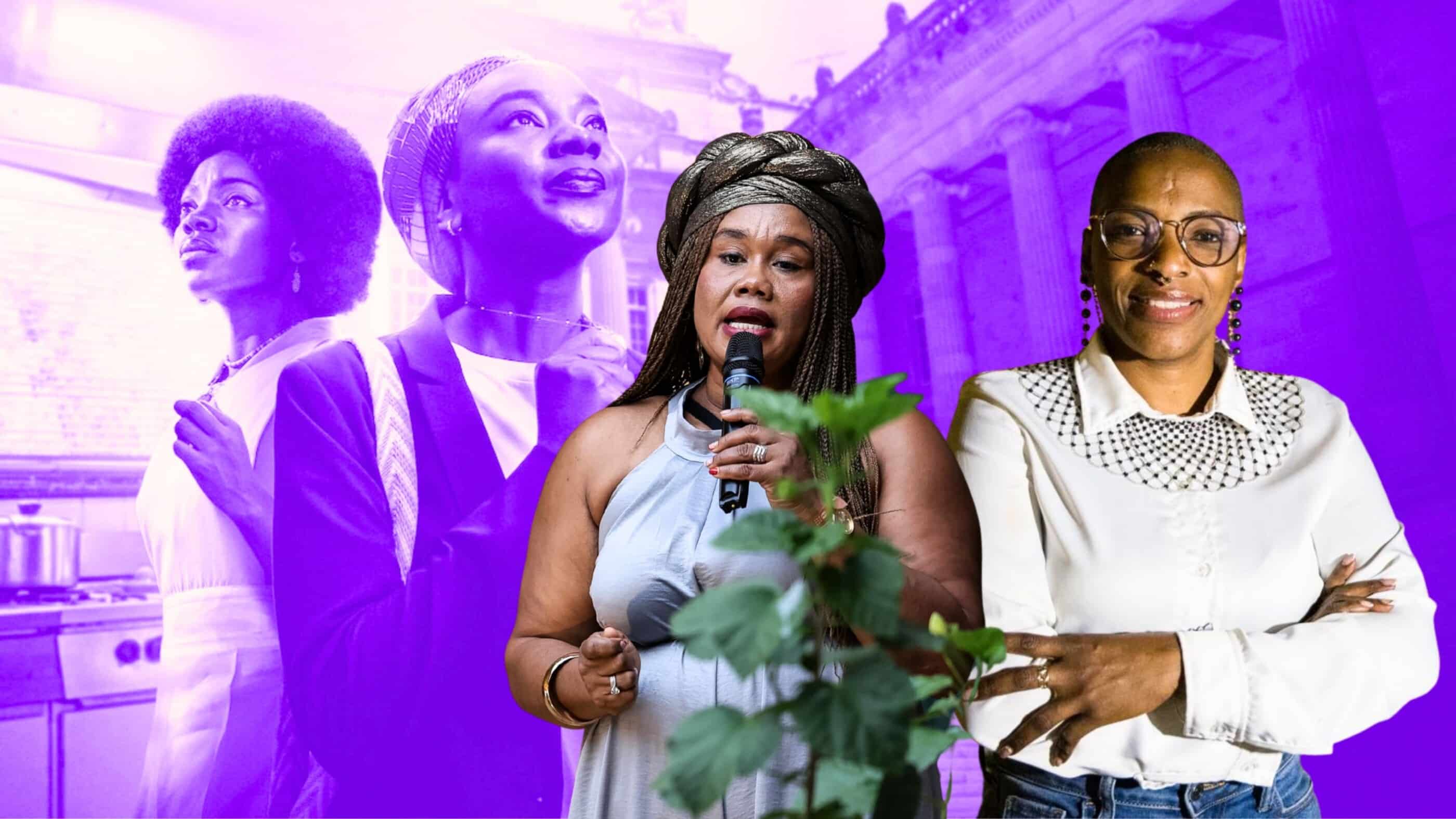
At ESCR-Net, we spoke with Claribed Palacios, president of Unión de Trabajadoras Afrocolombianas del Servicio Doméstico (UTRASD), and María Roa, founder of the union and the woman whose life inspired the series, about the impact of this visibility and ongoing struggles for labor rights, racial justice, and the recognition of care work in Colombia.
For María Roa, the union’s first president, this narrative shift carries a clear political meaning: “The stories of domestic workers are not told … and today many women come up to me and say: I want to speak, too.”
Beyond individual recognition, what is at stake is the possibility that the experiences of domestic workers — historically confined to the private sphere — become visible and understandable to broad sectors of society.
The series has opened a crack in a deeply rooted regime of silence. For decades, many women have faced violence, discrimination and exploitation without spaces to name those experiences.
María’s story is the story of many women
While the series is inspired by María Roa’s life, both she and Claribed Palacios insist it cannot be understood as an isolated individual trajectory. Her story is inseparable from the organizing process that made it possible.
“In María, the struggle of hundreds of women comes together … the women who could not speak,” Claribed said.
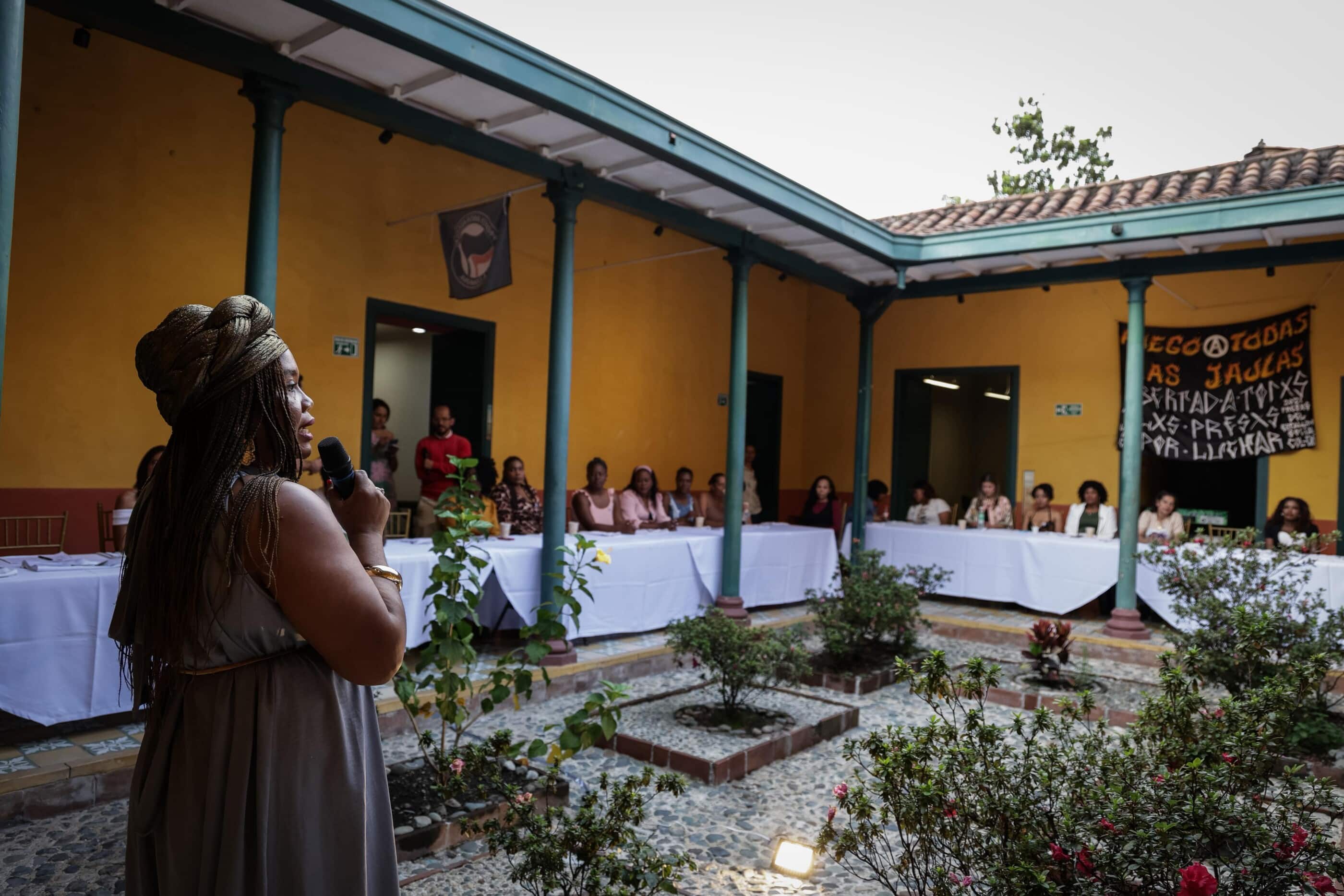
UTRASD was founded in 2013 by 28 Afro-Colombian women following earlier processes of gathering, reflection, and research. Since then, the union has grown, expanded territorially, and built a political voice capable of influencing national debates on labor rights, care, and public policy. By 2020, membership had surpassed 650 women, including more than 150 who joined during the COVID-19 pandemic.
For these leaders, what matters is not only that the story of an Afro-Colombian domestic worker has reached a global platform, but that this recognition helps make visible the organization, sustained struggle, and support networks behind it.