Share
Wednesday, November 13, 2024
Share

Nature of the Case

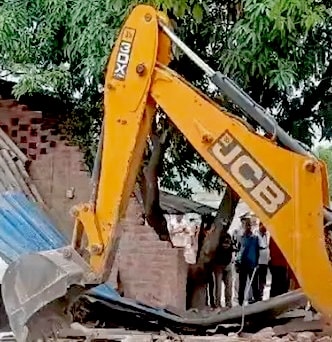
This case arose out of a number of extrajudicial demolitions of homes, businesses, and mosques especially in Muslim and other minority communities after incidences of communal violence and where the residents had been accused of crimes. “Bulldozer Justice” as it is colloquially known in India, is often characterized by the extrajudicial demolition of properties of people accused of crimes by the local authorities under the guise of “illegal construction” or “encroachment.” The Supreme Court of India considered the case and ruled for petitioners holding that the demolitions were unconstitutional as they did not follow due process of law and issued directions on procedures for future demolitions. 

According to an Amnesty International report, between April and June 2022, the “Bhartiya Janata Party (BJP)-ruled states of Assam, Gujarat, Madhya Pradesh, and Uttar Pradesh and the Aam Aadmi Party (AAP) in Delhi carried out demolitions as ‘punishment’ following episodes of communal violence or protests against discrimination by those in authority against Muslims.” In this report investigating 63 of 128 documented demolitions, Amnesty International found that, “at least 617 people, including men, women, children, and older persons, were rendered homeless or deprived of their livelihoods. These individuals were subjected to forced evictions, intimidation and unlawful force by the police and collective and arbitrary punishment, which undermined their rights to non-discrimination, adequate housing, and a fair trial.”
Enforcement of the Decision and Outcomes

The directions in this matter have had far reaching affects across India with subsequent demolitions coming under scrutiny to ensure that due process of law has been followed by local authorities. However, despite the Supreme Court order, punitive demolitions have persisted. In January 2025, in Dwarka, Gujarat, over 250 homes, mosques, and dargahs across over 20 islands were demolished in Muslim communities by local authorities citing “national security” and “environmental protection” concerns. The residents argued that they did not receive sufficient notice as the time between the first notice and the demolitions was only 7 days, in violation of the Supreme Court’s order. Similarly, on February 9, 2025, local authorities in Kushinagar, Uttar Pradesh sent bulldozers to the Madni Masjid for demolition the day after the expiration of a stay order from the high court without allowing the opportunity for appeal. Following the demolition, the Supreme Court initiated contempt proceedings against the district officials responsible, but the damage had been done. Similar incidences of demolitions in response to communal violence have also persisted, and it remains to be seen if the Court will take further action to enforce its order.

Significance of the Case

This case offers protection for residents who have been subject to retaliatory and unlawful seizure of their homes and businesses by their local and state governments. This is especially true for minority groups who may be subjected to discrimination, communal violence, and targeting by local authorities and are especially vulnerable to these measures. Enshrining due process rights and affirming the rights of the accused may enable future petitioners to prevent the unlawful demolition of their homes. 

For their contributions, special thanks to ESCR-Net member: the Program on Human Rights and the Global Economy (PHRGE) at Northeastern University.