Share
Tuesday, October 7, 2025

In the Lake Bogoria region of Kenya, the Endorois Indigenous Women Empowerment Network (EIWEN) has led an urgent, community-led research process to document how climate change, combined with historical injustices, has transformed the lives, lands, and ancestral traditions of the Endorois people.

Share
EIWEN Kenya CLR LossandDamage Credit@EIWEN
Community members in Lake Bogoria join EIWEN’s research process to map the impacts of climate change on their lands, sacred sites, and ways of life — turning lived experience into evidence for action. Photo courtesy of EIWEN.
The rising waters of Lake Bogoria have destroyed sacred shrines, drowned medicinal plants, and displaced hundreds of families, disrupting our livelihoods, health, and cultural practices.
Endorois Indigenous Women Empowerment Network (EIWEN)

Over several months in 2024, a Project Implementation Committee made up of community members—including women, elders, youth, and persons with disabilities—worked alongside EIWEN to collect stories, data, and traditional knowledge. The process combined household surveys, participatory mapping, interviews, and community gatherings to document both material losses—such as 3,000 acres of grazing and farming land, livestock, and vital infrastructure—and non-material losses, including sacred shrines, traditional medicinal plants, and cultural rites central to Endorois identity.

Technical Information on the Process

Research focus

The research examined the relationship between climate change and the rising water levels of Lake Bogoria, documenting their ecological, cultural, health, and livelihood impacts on the Endorois community.

Key findings

  • Loss of more than 3,000 acres of farmland and grazing land.
  • Displacement of 418 households.
  • Destruction of sacred sites and loss of traditional medicinal plants, including Tankartwee, Parmukute, Asubweh, Arweh, and Muchukwe.
  • Contamination of water sources, increasing the risk of diseases such as cholera and dysentery.
  • Severe disruption of agricultural activities, leading to food shortages and loss of income.

Community participation and methodology

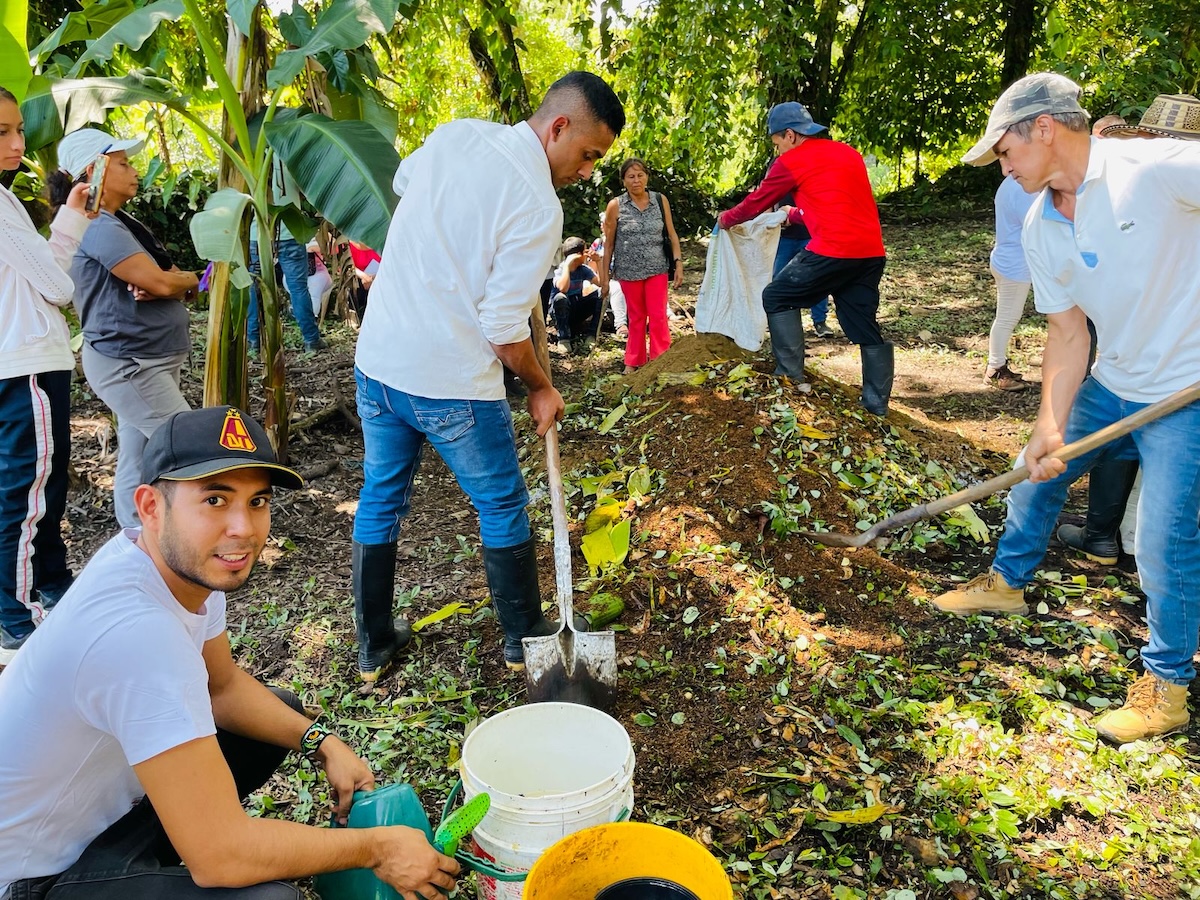
The process included interviews, household surveys, participatory mapping, and focus group discussions with women, elders, youth, and persons with disabilities. Traditional knowledge was integrated to identify environmental changes, design adaptation strategies, and validate the data.

Challenges and lessons learned

The research faced limited historical data on the Endorois and their environment, intergenerational language barriers, and challenges in ensuring full participation across community segments. Despite these, the process strengthened community capacity, sparked youth interest in preserving traditional knowledge, and built trust for future collective action.
Impact and next steps

We are calling for early warning systems that blend traditional and modern knowledge, and for fairer benefit-sharing from the resources of Lake Bogoria so our community can adapt and thrive.
Endorois Indigenous Women Empowerment Network (EIWEN)

Findings from the research are already informing concrete advocacy and community action. The Endorois community is advancing the creation of an Indigenous early warning system that integrates traditional weather knowledge and modern forecasting tools to anticipate floods, droughts, and other climate impacts. The study also calls for capacity building to strengthen community skills and knowledge on climate mitigation and adaptation strategies, especially among women and youth.

At the policy level, community advocacy has led the Baringo County Government to initiate a process to increase the Endorois’ share of park revenues from 10% to 25%, ensuring fairer benefit-sharing from the natural resources of Lake Bogoria.

These outcomes are contributing to broader efforts to strengthen dialogue with authorities, public awareness, and education initiatives that promote resilience, equity, and Indigenous leadership in climate action.

By centering the voices and leadership of those most affected, this research has turned lived experience into evidence for action. It reinforces a shared truth across climate justice struggles: our stories are evidence, and our resistance is knowledge.

Research Report

Download the full report developed by the Endorois Indigenous Women Empowerment Network (EIWEN)