In August 2026, ESCR-Net, the Global Network of Movement Lawyers (GNML), the Socio-Economic Rights Institute of South Africa (SERI), Observatori DESCA and TEVIPROP made a joint submission to South Africa’s Department of Human Settlements on the proposed Prevention of Illegal Eviction from and Unlawful Occupation of Land Amendment Bill, 2026.
The submission examines the reform within South Africa’s historical and socioeconomic context and alongside similar developments internationally, raising concerns about a broader shift towards criminalisation and accelerated evictions at the expense of protections of the right to adequate housing and against homelessness for Black marginalized communities.
What would the proposed law change?
The bill reduces municipalities’ responsibility to provide alternative accommodation to people who would otherwise be left homeless following an eviction.
The amendments would also criminalise certain forms of occupation and extend liability to people supporting or organising with affected communities, with penalties of up to two years in prison. This could affect human rights defenders, grassroots movements, lawyers, and civil society organisations, while making it harder to identify alternatives before people are removed from their homes.
Land and housing inequality in South Africa
The reform risks deepening South Africa’s history of colonial land dispossession against Black people, apartheid and forced removals. Currently, white South Africans constitute 7.3% of the population but own 72.4% of land held by individuals, while the Black majority represents approximately 81.4% of the population but owns just 4.4% of the land.
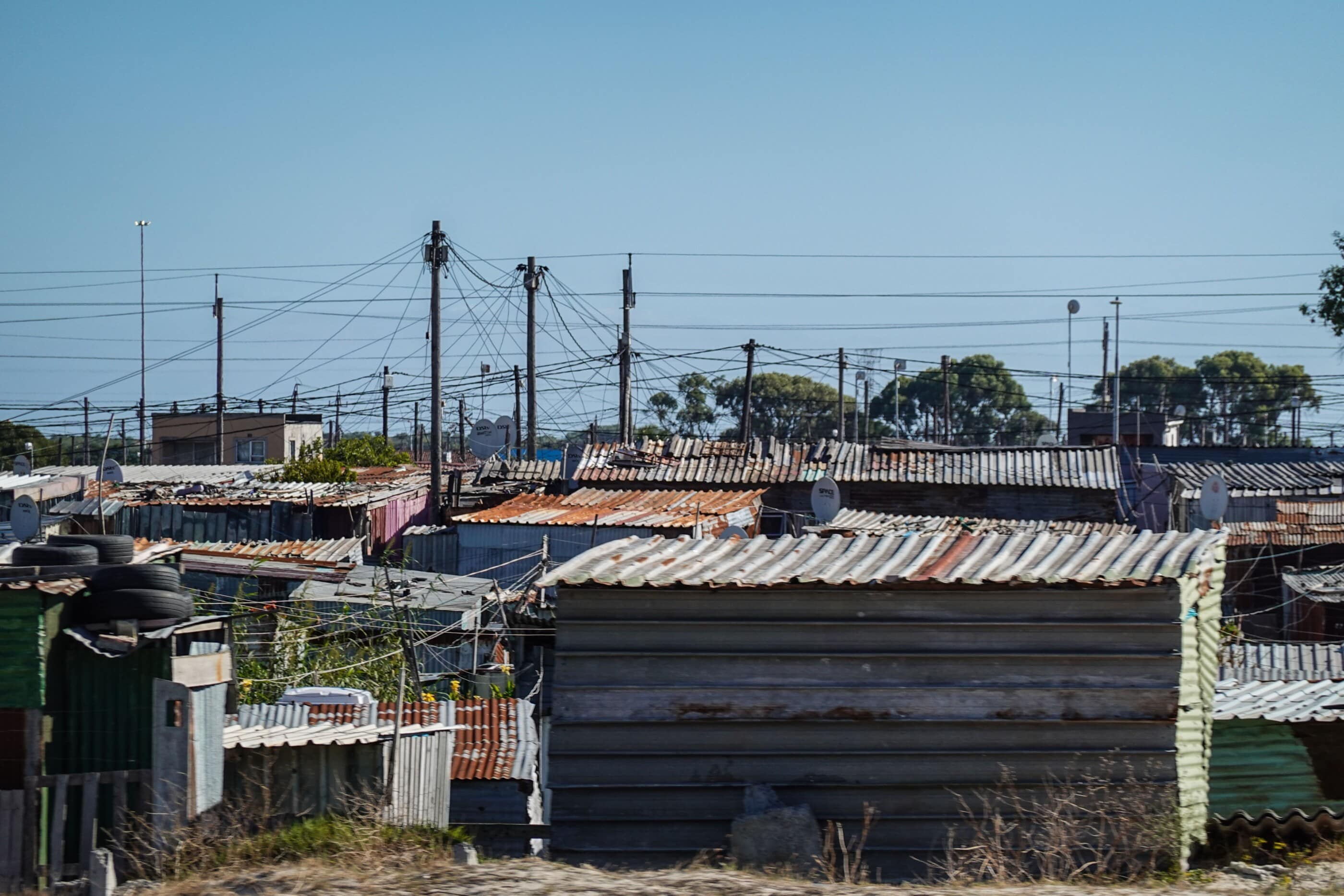
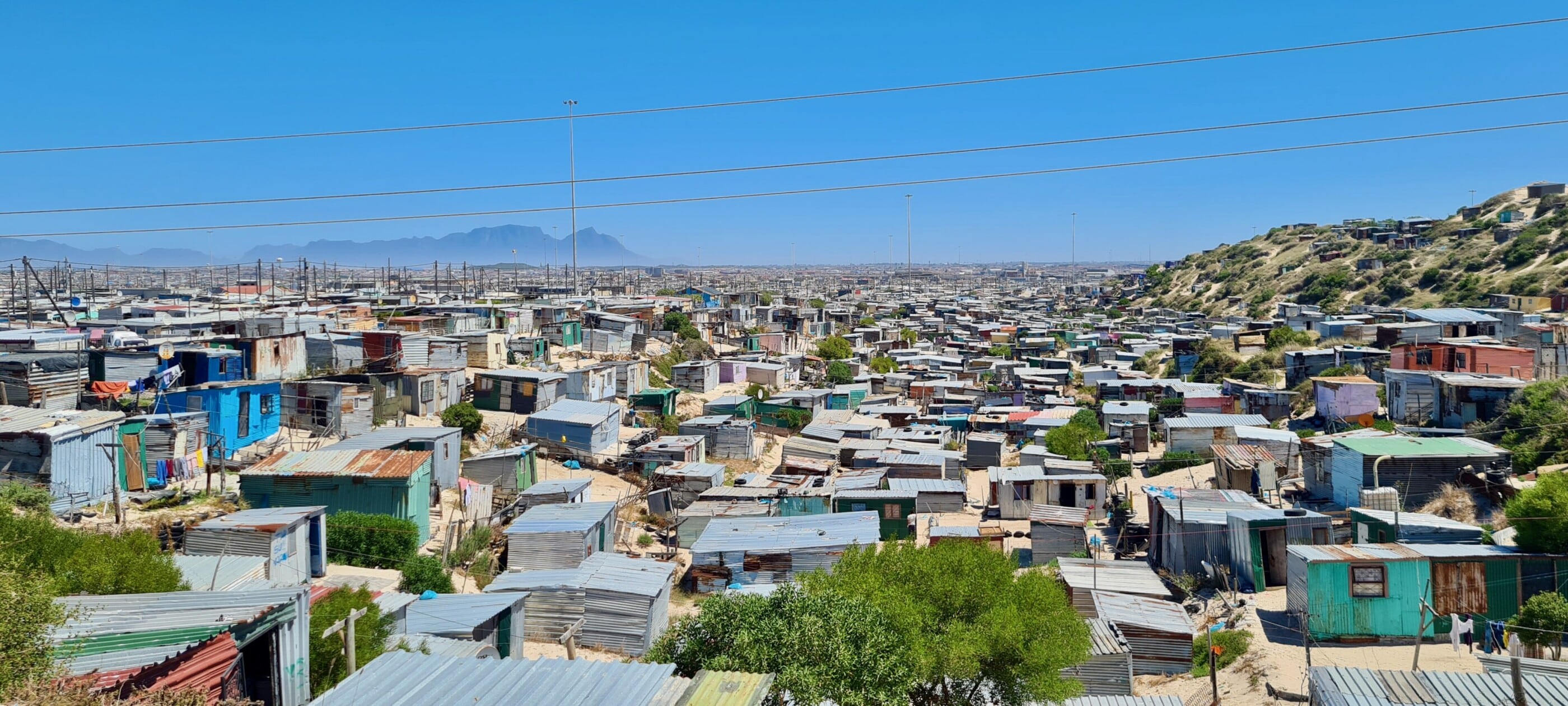
Housing insecurity also remains widespread, with approximately 8 million people, mostly Black,women, children, and migrants, living in informal settlements or shacks. The Bill approaches the issue of access to housing and habitat as a criminal matter, offering a response to the housing crisis that does not resolve but rather exacerbates the difficulties faced by the most impoverished sectors in securing equitable access to a safe and well-located place.
This approach is part of a broader global trend, as examined in the joint submission, which highlights developments in similar directions in Argentina, Brazil, Chile, France, India, Italy, Spain and the United States.
For all these reasons, we state that no bill should contain measures that are regressive in the protection of the right to housing, or in the protections against forced evictions and homelessness, and that all bills should take into account international human rights law safeguards, including consultation, reasonable notice, effective remedies, alternative accommodation and consideration of all alternatives before eviction, making sure that evictions never result in homelessness.
Concerns about the proposed bill have also been raised by UN Special Rapporteur on the right to adequate housing Koldo Casla and UN Special Rapporteur on extreme poverty and human rights Elena Carolina Díaz Galán, who issued a letter of concern regarding the amendments to South Africa’s PIE Act.