As governments prepare to gather for the 31st UN Climate Change Conference (COP31) in November 2026, the gap between international climate commitments and the realities of frontline communities remains profound. Corporate influence over climate policymaking, growing repression of human rights defenders, and unresolved questions of climate finance and accountability continue to undermine meaningful climate action.
For communities confronting extraction, displacement, militarization and environmental destruction, the climate crisis is inseparable from the systems of colonialism, patriarchy, debt and corporate power that perpetuate inequality.
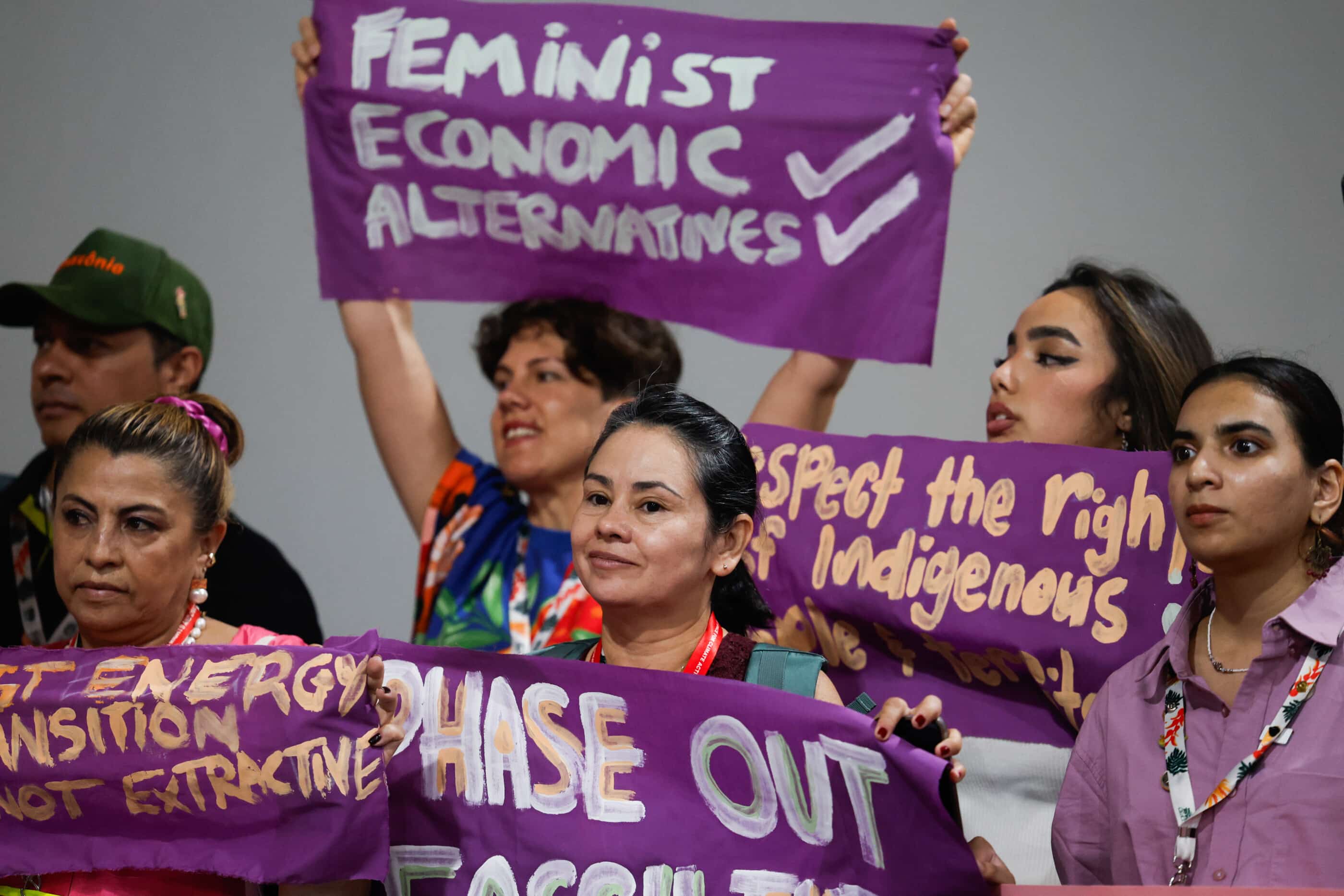
While access to climate negotiations remains a privilege, many of the communities most affected by the crisis continue to be excluded from decisions shaping their territories, livelihoods and futures.
Ahead of COP31, ESCR-Net’s members presents Reclaiming Climate Justice: Our Common Agenda for COP31, a collective advocacy agenda organized around six interconnected pillars. Developed through a process of consolidating members’ analysis and priorities, the agenda connects international negotiations with struggles for human rights, self-determination and systemic change.
What’s at Stake at COP31?
COP31 presents a critical opportunity to move from political commitments toward concrete implementation and accountability.
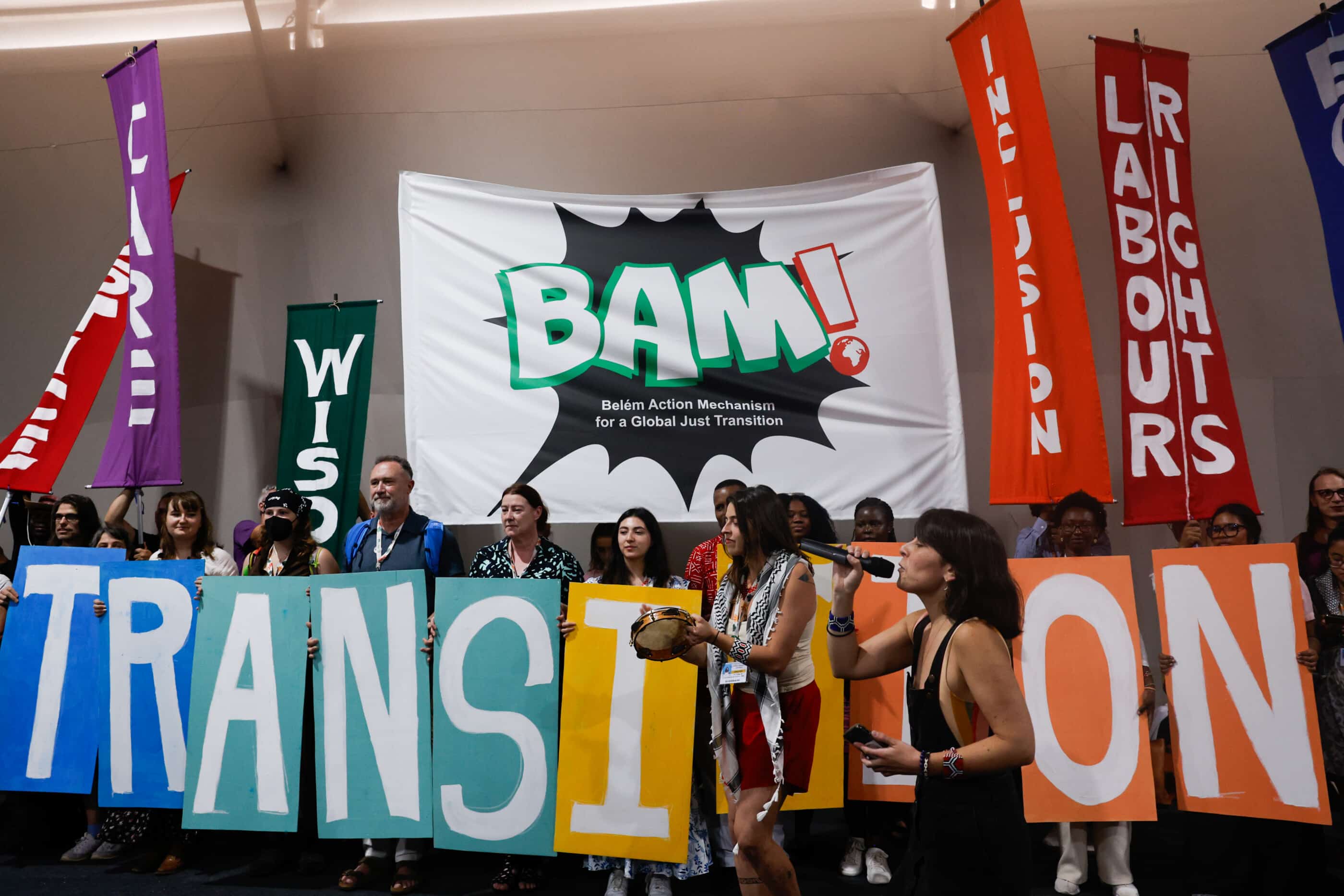
At COP30, governments agreed to develop a Just Transition Mechanism (JTM). However, subsequent negotiations at SB64 failed to reach agreement on its structure, functions or institutional placement. COP31 must now establish a clear mandate, resources and accountability measures to ensure that the mechanism advances equitable transitions shaped by affected communities rather than reproducing existing inequalities.
Climate finance remains another major unresolved issue. ESCR-Net calls for at least USD 1.3 trillion annually in new, additional, predictable, public and grant-based climate finance from the Global North to the Global South, grounded in developed countries’ obligations under Article 9.1 of the Paris Agreement. This must be accompanied by debt cancellation, direct community access to financing and an end to approaches that deepen debt dependency.
At the same time, the International Court of Justice’s Advisory Opinion on States’ obligations concerning climate change provides an important legal foundation for strengthening accountability. Governments must translate these obligations into accessible mechanisms for remedy, reparations and ecological restoration.
Corporate accountability is equally urgent. As negotiations toward a UN legally binding treaty on business and human rights move toward an expected final draft in 2027, States must confront corporate interference in climate governance and strengthen enforceable obligations for corporations responsible for human rights abuses and environmental harm.