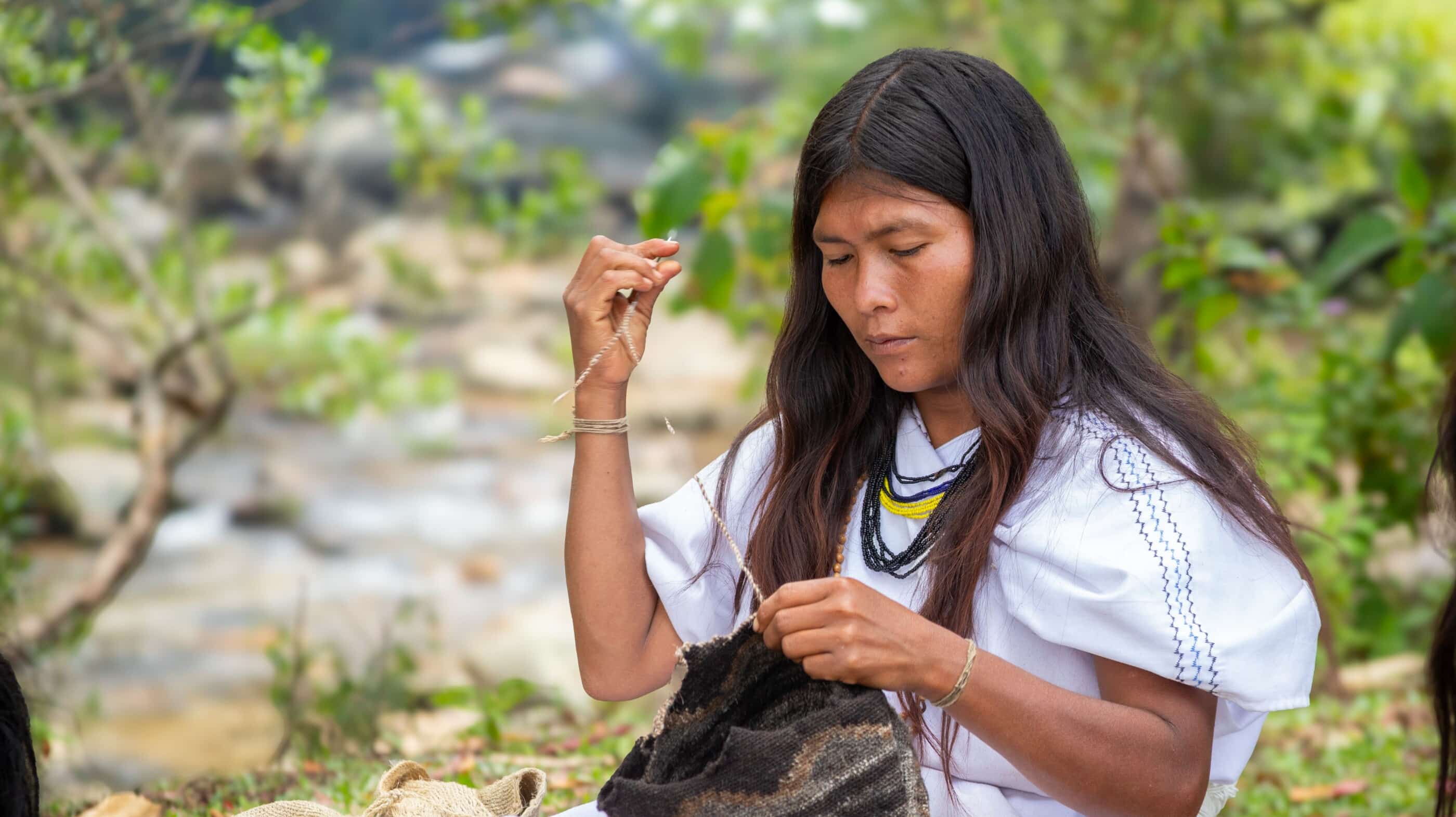
What would our world look like if economies prioritized sustaining life rather than generating profit?
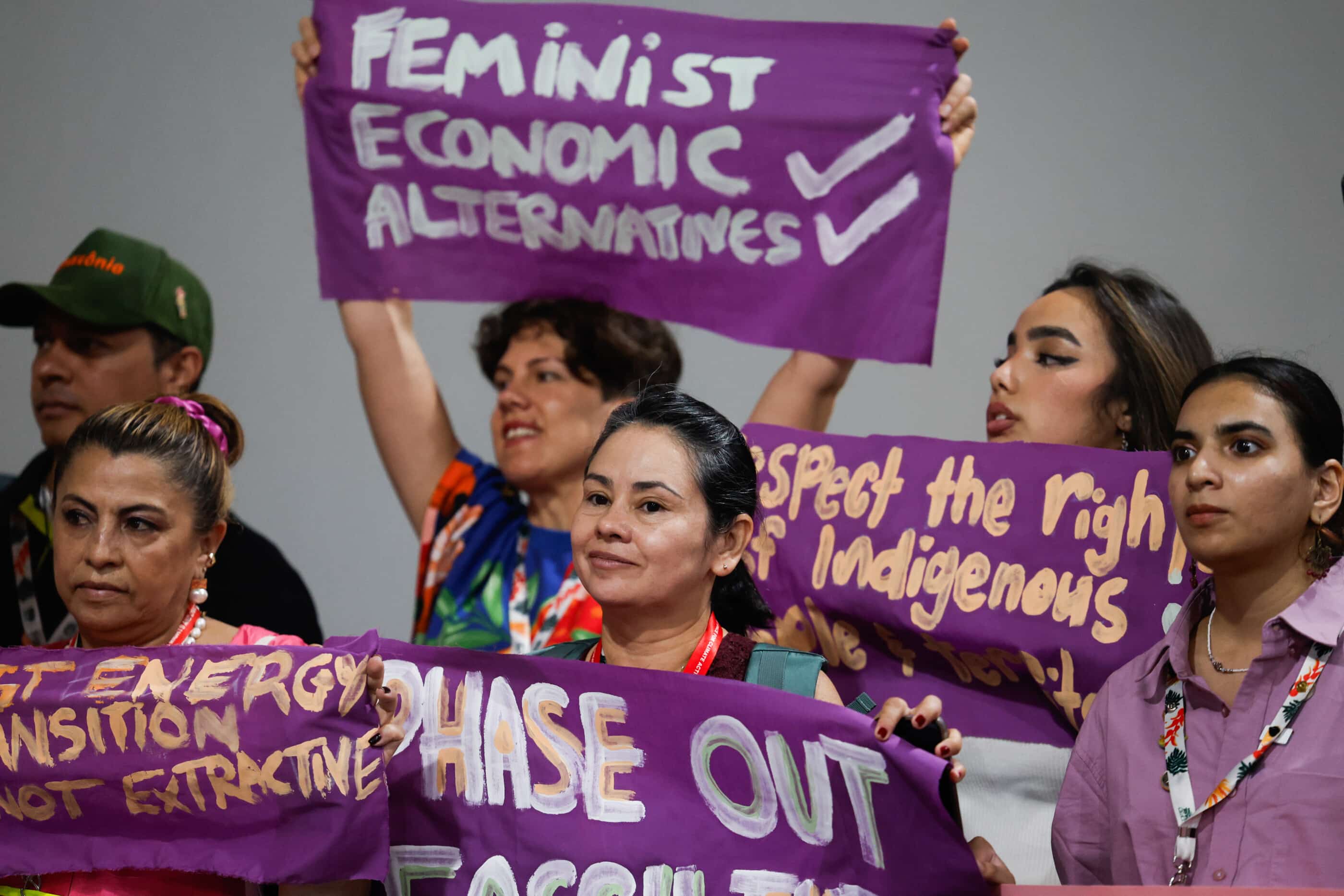
Across the world, communities are already answering this question. From Indigenous women defending their territories to grassroots movements organizing food solidarity networks, these initiatives challenge economic systems rooted in extraction, exploitation, and inequality.
A collective resource for political education and action
ESCR-Net’s new popular political education resource Weaving Ecologies of Care: Communities’ Experiences in Cultivating Regenerative Economies traces how, across diverse movements and territories, ESCR-Net members and their communities are advancing plural understandings of and approaches to care that are seeding alternative ways of organizing life, rooted in principles such as reciprocity and solidarity.
This includes exploring care as a social right via advances in Latin America and the Caribbean, care as reparation for debt and climate injustice in Tanzania and Egypt, care as nurturing and healing the body-territory within the cosmovision of Indigenous communities in Guatemala and Papua New Guinea, and care as resilience and resistance in Argentina, Honduras, Palestine, and South Africa.
What emerges is a rich tapestry of what care means, how worlds centering care could be and feel, and the multiple, co-existing, and intersecting pathways through which these futures are being nurtured. The hope is this provides a foundation for deepening the connections between our struggles, clarifying points of unity as a collective, and strengthening shared pathways towards imagining and cultivating regenerative economies centering care for people and the planet.
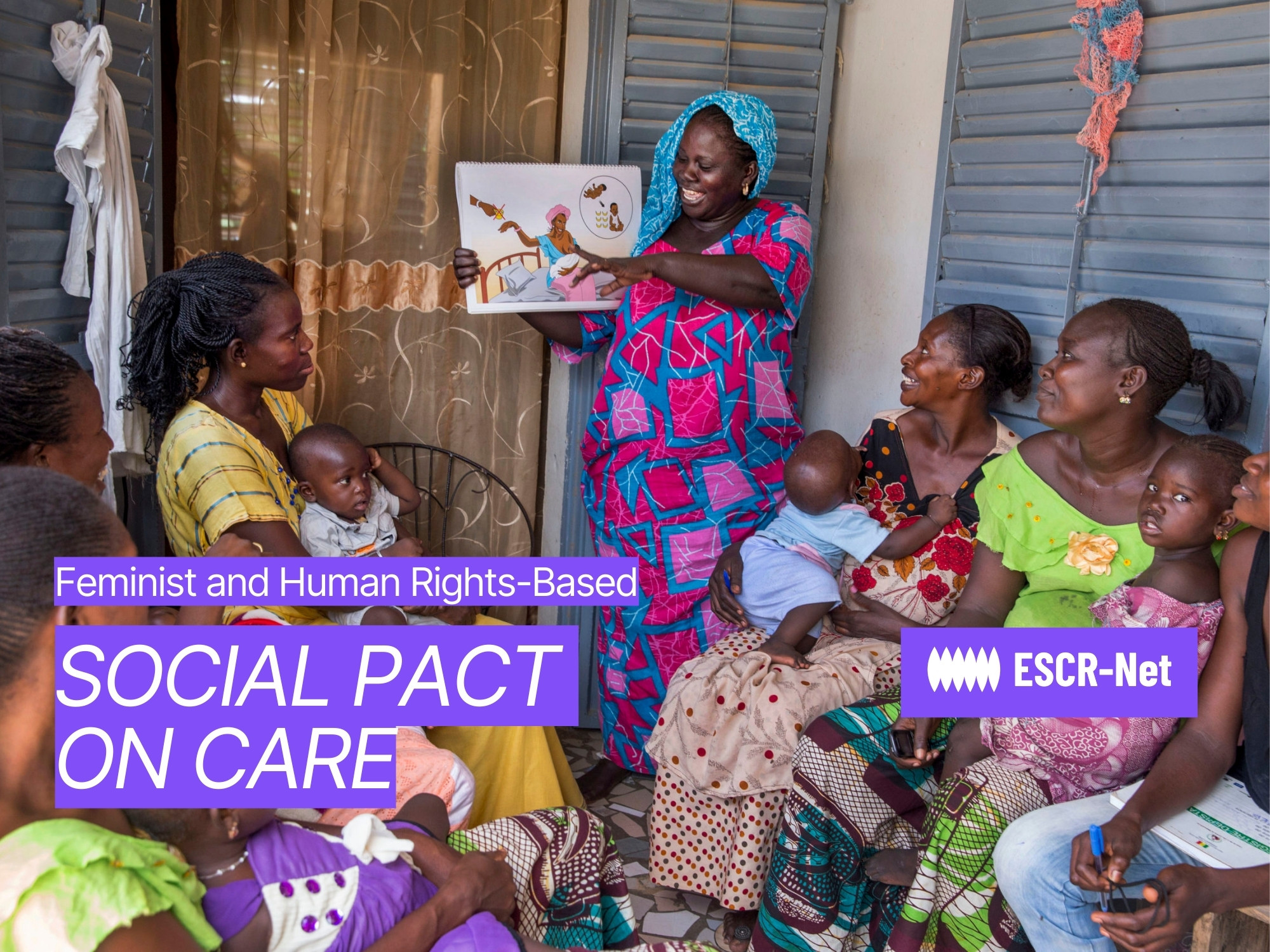
From a Social Pact on Care to community-led alternatives
These lived experiences bring to life the analysis of ESCR-Net’s Social Pact on Care. A cross-regional group of Women and ESCR Working Group members developed the Social Pact in 2020, both as a collective response to the systemic inequalities exposed and intensified by the COVID-19 pandemic and, more broadly, as a Network-wide blueprint for making care a pillar within our political demands that continues to guide our struggles to confront the polycrisis and dismantle systems of oppression. Members have been exploring, as well as learning and sharing about these diverse experiences of cultivating regenerative economies centering care through initiatives such as the October 2025 webinar, ongoing exchanges within the Women and ESCR Working Group, and Feminist Participatory Action Research (FPAR) supported by ESCR-Net’s Community-led Research Hub.
Explore Weaving Ecologies of Care and learn how communities are building regenerative economies that put care for people and the planet at their center.