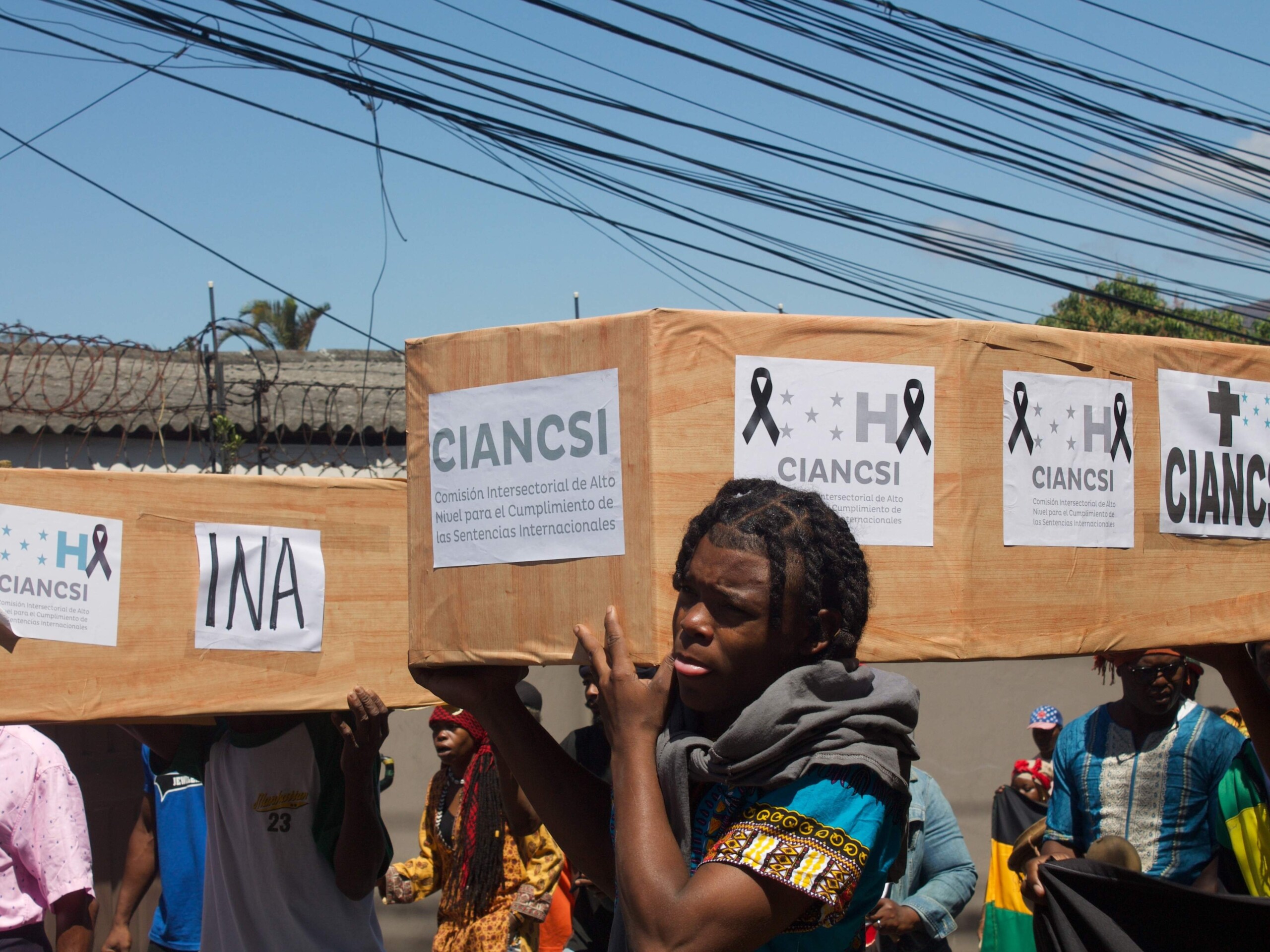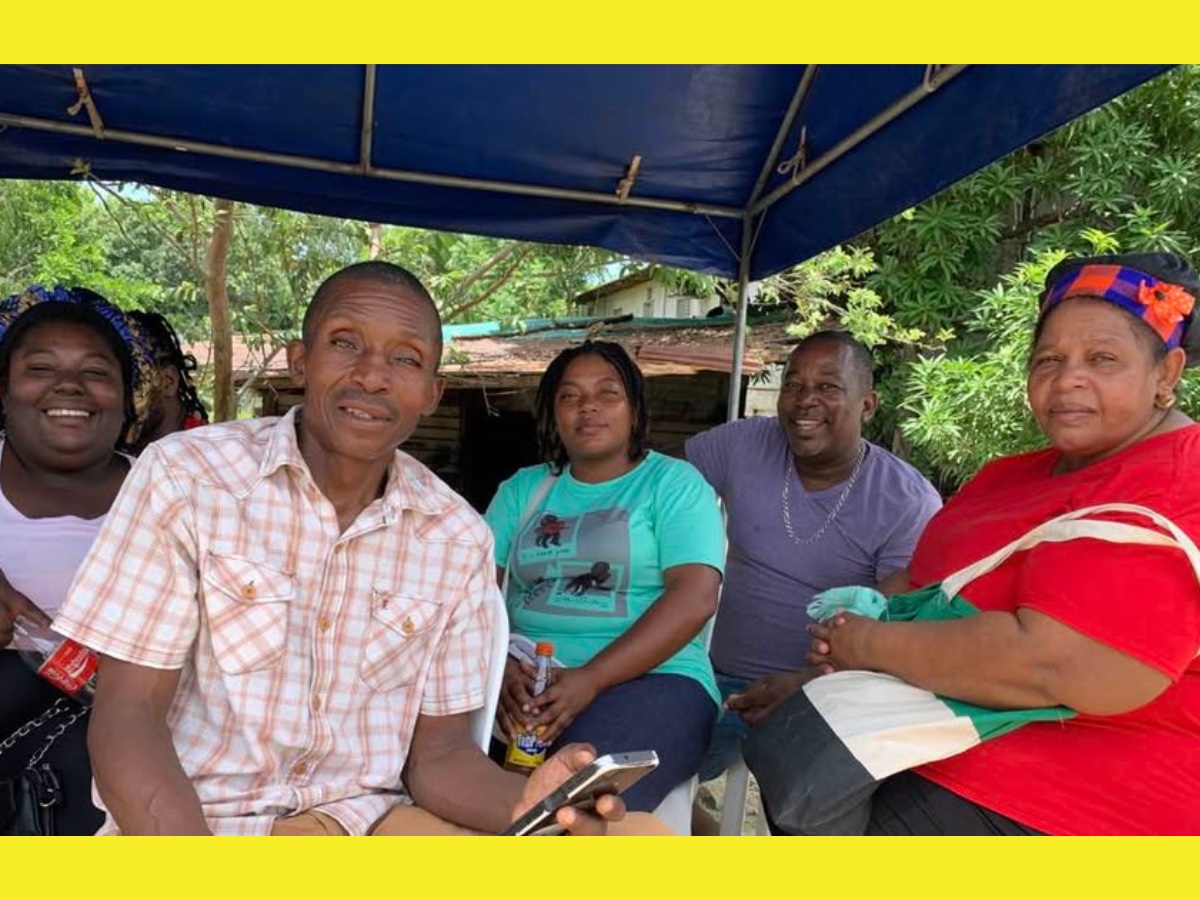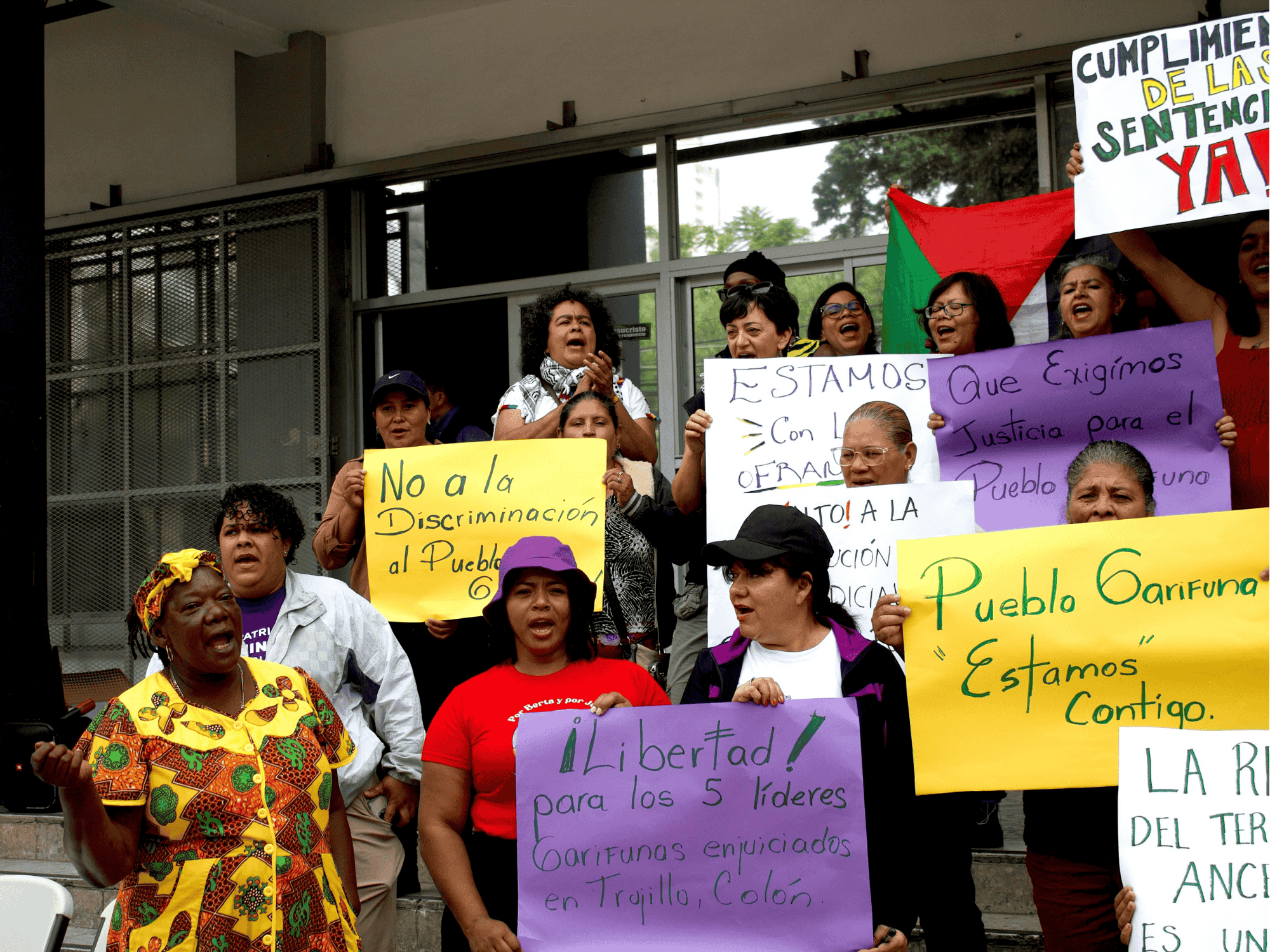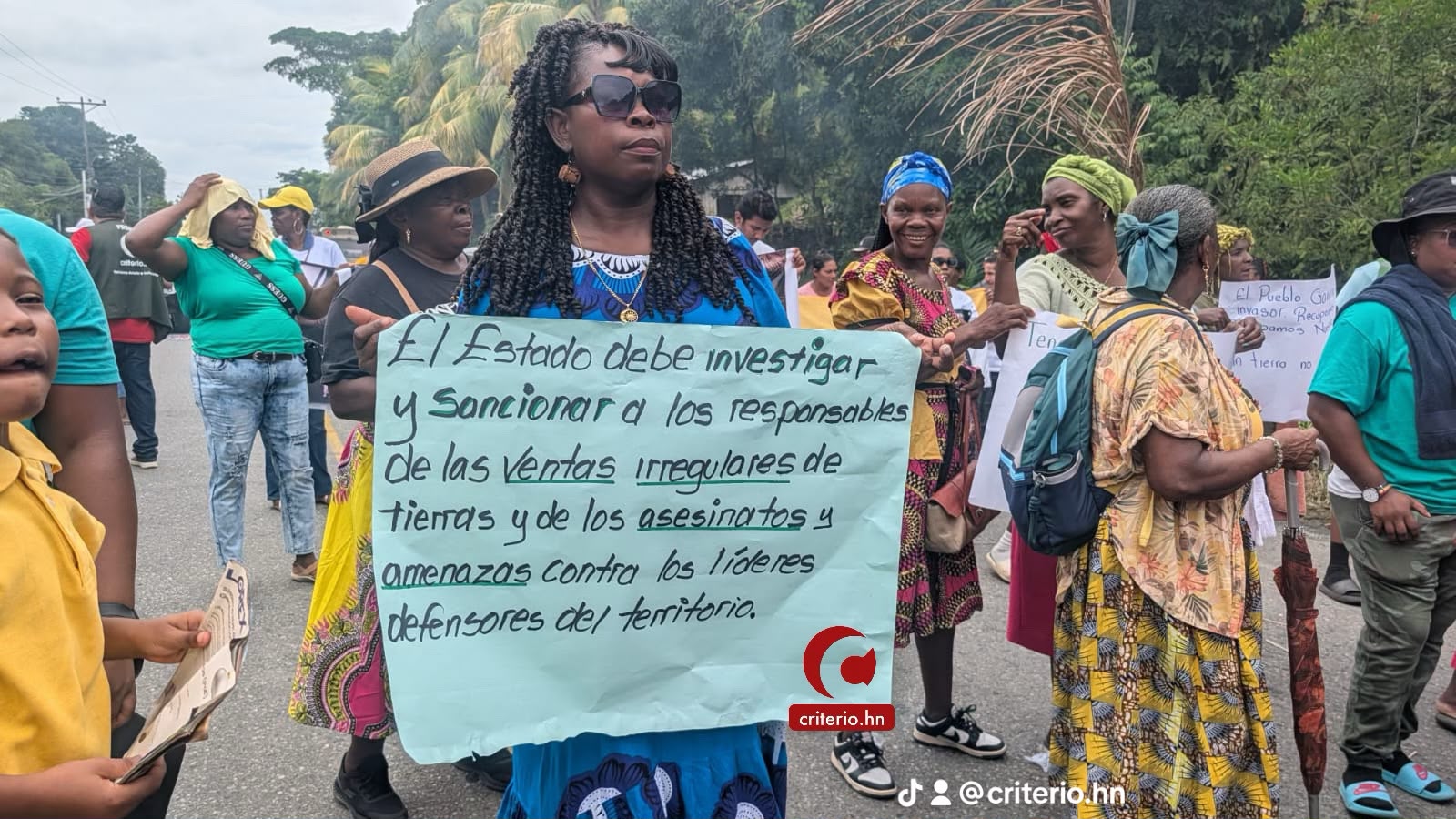
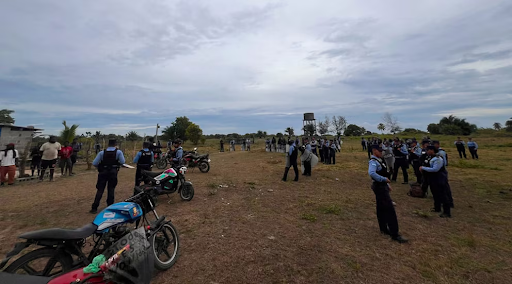
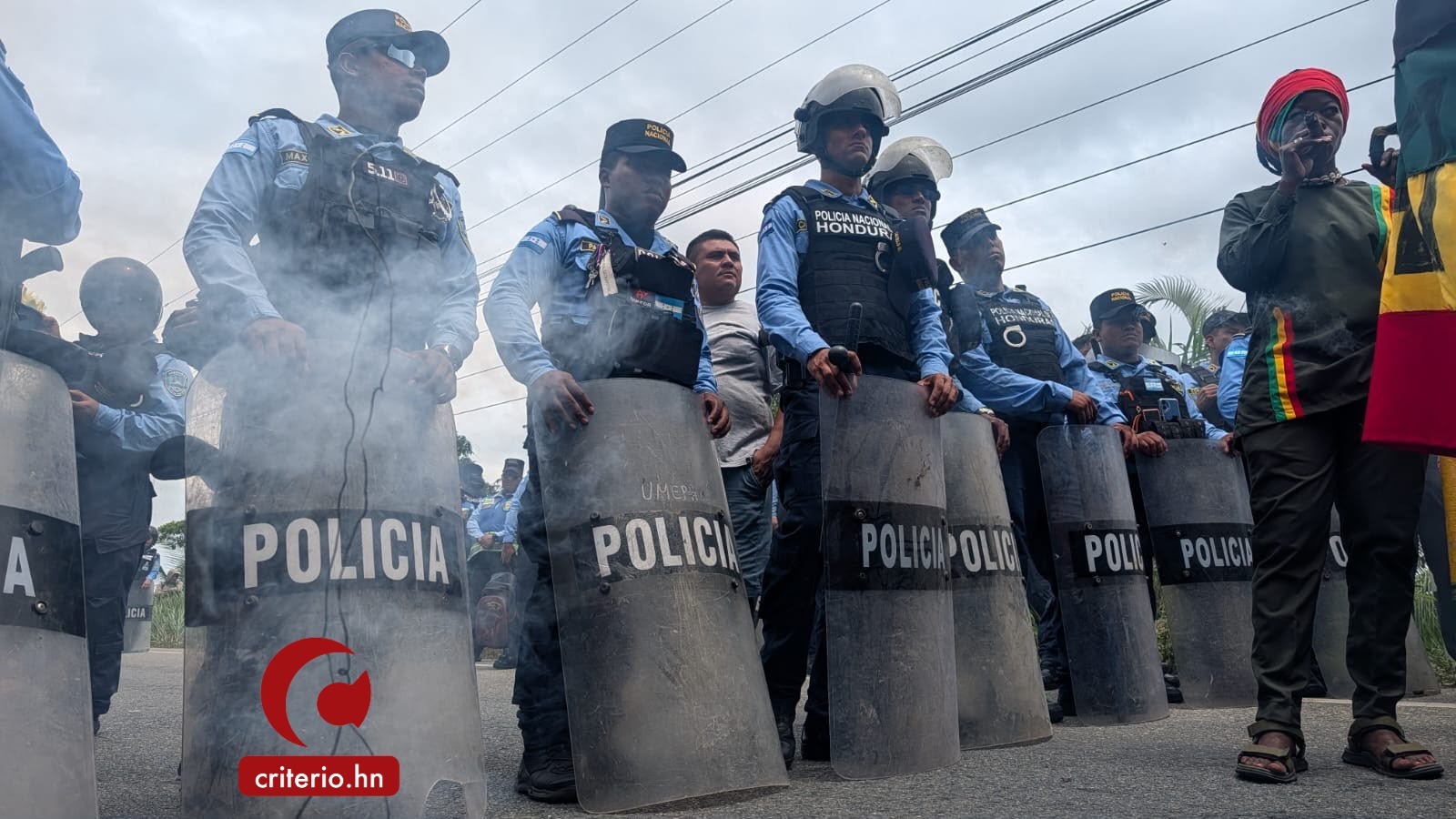
On 6 July 2026, the Garífuna community of San Juan, Tela, was subjected to a violent eviction carried out by Honduran state security forces. According to information provided by the Black Fraternal Organization of Honduras (OFRANEH), hundreds of National Police officers entered the ancestral territory of San Juan, which enjoys special legal protection as ancestral Indigenous and Tribal land, using tear gas, live ammunition, threats, and excessive force against the community.
As a result, at least five Garífuna human rights defenders were arbitrarily detained, including community leaders who were exercising their legitimate right to defend their ancestral territory. It is also deeply concerning that OFRANEH’s legal team was initially denied access to the detained defenders, violating their rights to legal counsel, legal representation, and due process guarantees.
These events are not isolated. They form part of a longstanding pattern of dispossession, criminalization, militarization, institutional racism, and violence against the Garífuna people, documented for decades by national and international human rights bodies. The situation is particularly alarming given the history of enforced disappearances of Garífuna youth and the persistent impunity surrounding these crimes.
ESCR-Net expresses its deepest solidarity with our member organization, OFRANEH, and is gravely concerned that this operation took place in the context of the recent implementation of the Law for the Strengthening and Protection of the Agroindustrial Sector, Energy Projects, Tourism, Livestock, and Small Agricultural Producers, legislation that has been widely denounced by Indigenous, Garífuna, and human rights organizations for facilitating territorial dispossession and prioritizing private economic interests over the collective rights of Indigenous and Afro-descendant peoples.
The actions of the Honduran State violate numerous international human rights obligations recognized in treaties ratified by Honduras and reaffirmed by the Inter-American Court of Human Rights in several judgments concerning Garífuna communities. Honduras is a State Party to the International Covenant on Economic, Social and Cultural Rights (ICESCR), the International Covenant on Civil and Political Rights (ICCPR), the American Convention on Human Rights, ILO Convention No. 169 concerning Indigenous and Tribal Peoples, and the International Convention on the Elimination of All Forms of Racial Discrimination (ICERD). These instruments recognize and protect, among other rights, Indigenous and Tribal peoples’ rights to their lands, territories, and natural resources; the rights to adequate housing, food, and water; the right to take part in cultural life; the right to self-determination; the right to free, prior, and informed consent; as well as the rights to liberty, personal integrity, and to defend human rights without fear of reprisals.
ESCR-Net further recalls that the Garífuna community of San Juan is protected by a binding judgment of the Inter-American Court of Human Rights, issued on 29 August 2023, which recognizes the community’s ancestral territorial rights and obliges the Honduran State to ensure the effective protection of those lands, adopt guarantees of non-repetition, and refrain from actions that undermine the enjoyment of these rights. The violent eviction and criminalization of those defending their ancestral territory constitute a direct breach of the State’s obligations under that judgment and a serious affront to the rule of law.
It is equally troubling that, only days before these events, the National Police issued a public circular committing to respect Indigenous and Tribal territories. The violence subsequently unleashed in San Juan stands in stark contradiction to that commitment and highlights the gap between the State’s international obligations and its actions on the ground.
The defense of Garífuna territory is not simply a claim to land. For the Garífuna people, territory is the foundation of their collective identity, culture, spirituality, ways of life, food sovereignty, and their very survival as a people. Attacks on these territories therefore constitute indivisible violations of the community’s economic, social, cultural, environmental, civil, and political rights.
In light of this grave situation, ESCR-Net calls on the Government of Honduras to:
- End the judicial persecution and criminalization of Garífuna human rights defenders by dropping the unfounded charges brought against the five defenders detained during the eviction of San Juan.
- Immediately cease all harassment, criminalization, militarization, and violence against Garífuna communities and those defending their rights.
- Withdraw police forces from the territory of the San Juan community.
- Fully implement the judgments of the Inter-American Court of Human Rights concerning the territorial rights of the Garífuna people, ensuring the effective protection of their ancestral territories and guarantees of non-repetition.
- Conduct prompt, independent, and impartial investigations into the excessive use of force, arbitrary detentions, and all other human rights violations committed during the operation, ensuring accountability for those responsible.
- Review and repeal laws, policies, and practices that facilitate the dispossession of Indigenous and Afro-descendant territories in violation of international human rights law.
ESCR-Net also calls upon the Inter-American Commission on Human Rights, the Inter-American Court of Human Rights, the United Nations Special Rapporteurs on the rights of Indigenous Peoples, on the situation of human rights defenders, on the right to adequate housing, and on contemporary forms of racism, as well as the broader international community, to closely monitor this situation and urge the Honduran State to fully comply with its international human rights obligations.