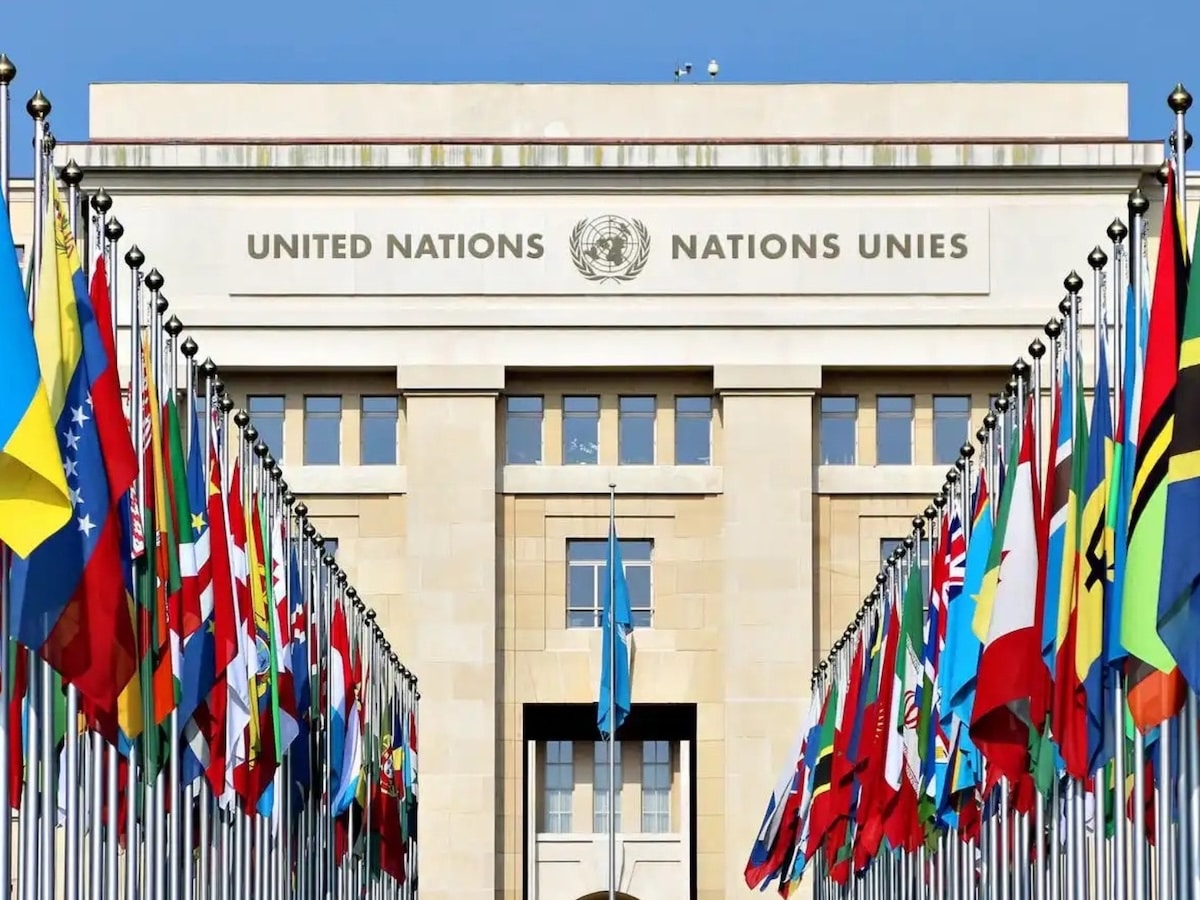
With that warning, civil society organizations closed the latest intersessional consultations of the UN treaty process on business and human rights, held in Geneva in May 2026.
More than 35 States participated in the discussions, alongside representatives of affected communities, social movements, and human rights organizations. Business lobby groups were also present and continued their efforts to undermine the treaty negotiations.
The consultations focused on the Preamble and Article 1 of the draft treaty, provisions that define its purpose and guiding principles.
While technical on the surface, the discussions reflected deeper political questions facing the negotiations: whether the treaty will remain faithful to its original mandate of confronting corporate impunity, or whether efforts to secure broader political consensus will result in a weaker instrument.
Participants pointed to both encouraging signs of engagement and continuing political disagreements.
“States engaged deeply in the content of the articles, including a very good analysis of potential loopholes in international law regarding corporate accountability,” said Ana María Suárez Franco of FIAN International.
At the same time, she noted that significant disagreements remain.
“We saw that Saudi Arabia and Japan, as well as the UK and Russia, had some defensive contributions that were not helpful to the advancement of a strong, legally binding instrument.”
A debate about more than legal text
Participants from civil society stressed that the discussions were ultimately about whether the treaty remains faithful to the mandate established by Human Rights Council Resolution 26/9, which launched the process in 2014 to address corporate impunity and improve access to justice for affected communities.
In a joint statement delivered by the Treaty Alliance, ESCR-Net, the Feminists for a Binding Treaty, and the Global Campaign to Dismantle Corporate Power, organizations warned against efforts to weaken the treaty in the pursuit of political compromise.
“This process cannot end with a weakened instrument shaped by political compromise or corporate capture.”
The statement also emphasized why the treaty negotiations were initiated in the first place.
“These negotiations were created precisely because voluntary approaches have failed to stop widespread violations and abuses of human rights by corporations.”
Advocates and campaigners expressed concern about attempts to dilute provisions related to corporate liability, access to justice, jurisdiction, international cooperation, and accountability across global supply and value chains.
Environment, armed conflict, and self-determination
Several civil society interventions focused on the importance of ensuring that the treaty reflects evolving international legal standards and adequately responds to the realities that prompted the negotiations in the first place.
In a joint statement, Franciscans International, the Center for International Environmental Law (CIEL), FIAN International, and the International Service for Human Rights described the Preamble and Article 1 as “key to framing the future treaty and underscoring its urgency and scope.” The organizations argued that both provisions should explicitly acknowledge the relationship between business activities, environmental harm, armed conflict, and their interconnected impacts, as reflected in previous drafts of the treaty.
“We see the extreme toll that armed conflict and genocide have on people and the environment, and also the profits that are made by corporations, be it in the arms, technology, or extractive sectors, amongst others. The impunity of corporations, alongside that of States, only perpetuates conflict and its dire impacts.”
The intervention also called for stronger recognition of the right to self-determination within the treaty framework. Referring to comments made by the State of Palestine during the consultations, the organizations argued that self-determination remains a fundamental principle of international law and proposed language reaffirming “the right to self-determination and the rights of peoples and nations to permanent sovereignty over their natural wealth and resources.”
The intervention reflected broader concerns raised throughout the session regarding the need for international accountability mechanisms capable of addressing corporate involvement in situations of armed conflict, including occupation, environmental destruction, and serious human rights violations.
Franciscans International also expressed concern about resistance from some States to environmental language in the treaty. Panuga Pulenthiran noted that opposition to references to the right to a healthy environment was particularly striking given its recognition by both the United Nations General Assembly and Human Rights Council, and its reaffirmation by the International Court of Justice.
Panuga Pulenthiran also highlighted the role played by several States in defending stronger protections, noting that Colombia, Mexico, Palestine, later joined by Brazil and Uruguay, consistently supported a broader and more progressive reading of the treaty.
Similar concerns were raised by FIDH, which called for a stronger preamble that more clearly reflects the reasons why the treaty process was launched. The organization argued that the current draft still places too much emphasis on the potential positive contributions of business activities “without adequately acknowledging their potential negative human rights impacts, which ultimately prompted this process.”
Looking ahead to a new draft
The final part of the consultations focused on the future of the process and the roadmap toward the next phase of negotiations.
The Chair-Rapporteur announced plans to publish a proposed methodology and program of work for the 12th session in September 2026, followed by regional consultations among States before negotiations resume in October. The Chair also confirmed plans to prepare a revised draft treaty in 2027.
Civil society organizations welcomed the commitment to move the process forward but stressed that the quality of the future text should take precedence over speed.
“The pursuit of broad State support cannot come at the expense of the substance of the treaty.”
In a second joint statement delivered by ESCR-Net, the Treaty Alliance, the Feminists for a Binding Treaty, and the Global Campaign to Dismantle Corporate Power, civil society organizations outlined their expectations for the next phase of negotiations. They proposed that future revisions of the text be guided by two principles: preserving the strongest possible human rights protections and incorporating proposals that have already received broad support from States.
They also emphasized the need for sufficient time for consultation and review before a new draft is published, arguing that any revision process should strengthen rather than dilute the treaty’s original purpose.
“This historic opportunity must deliver structural change in legal standards for corporate accountability.”