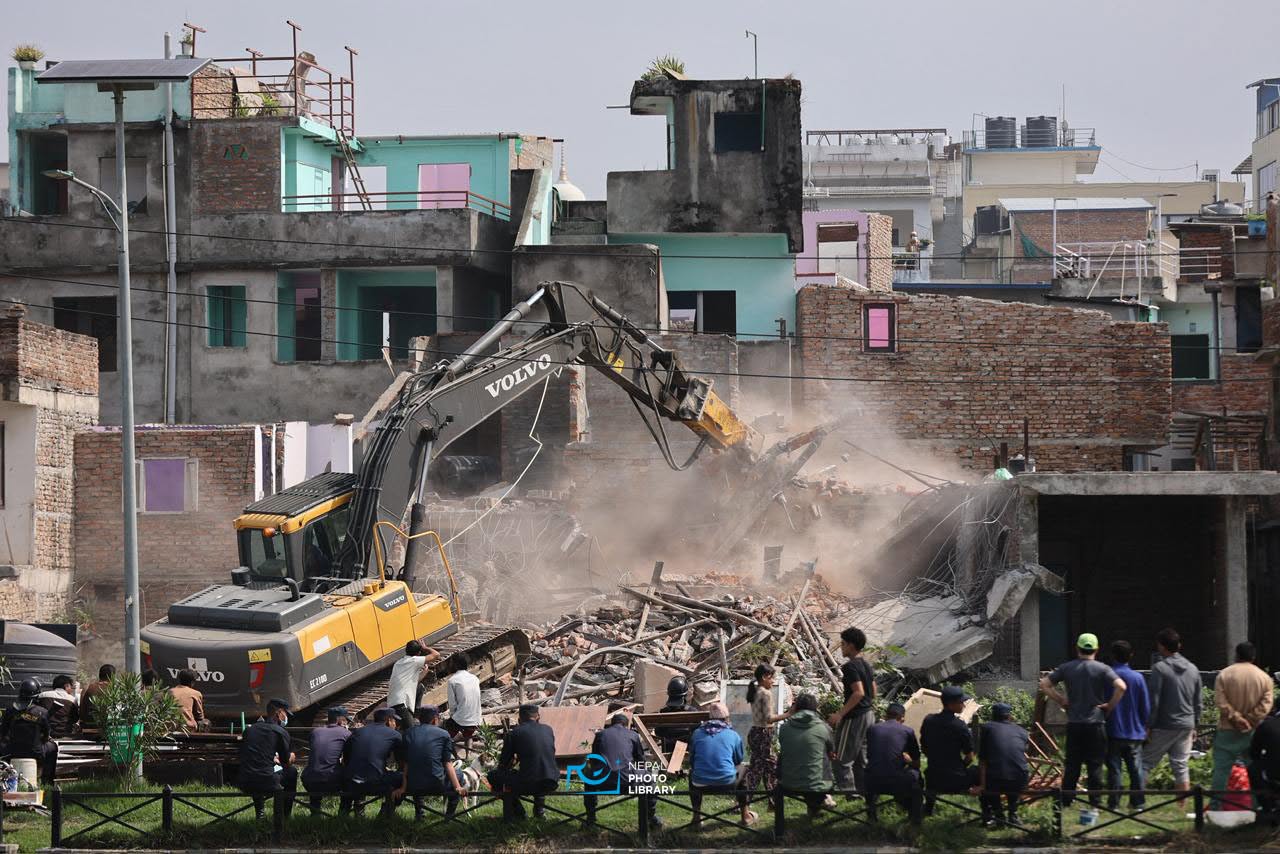
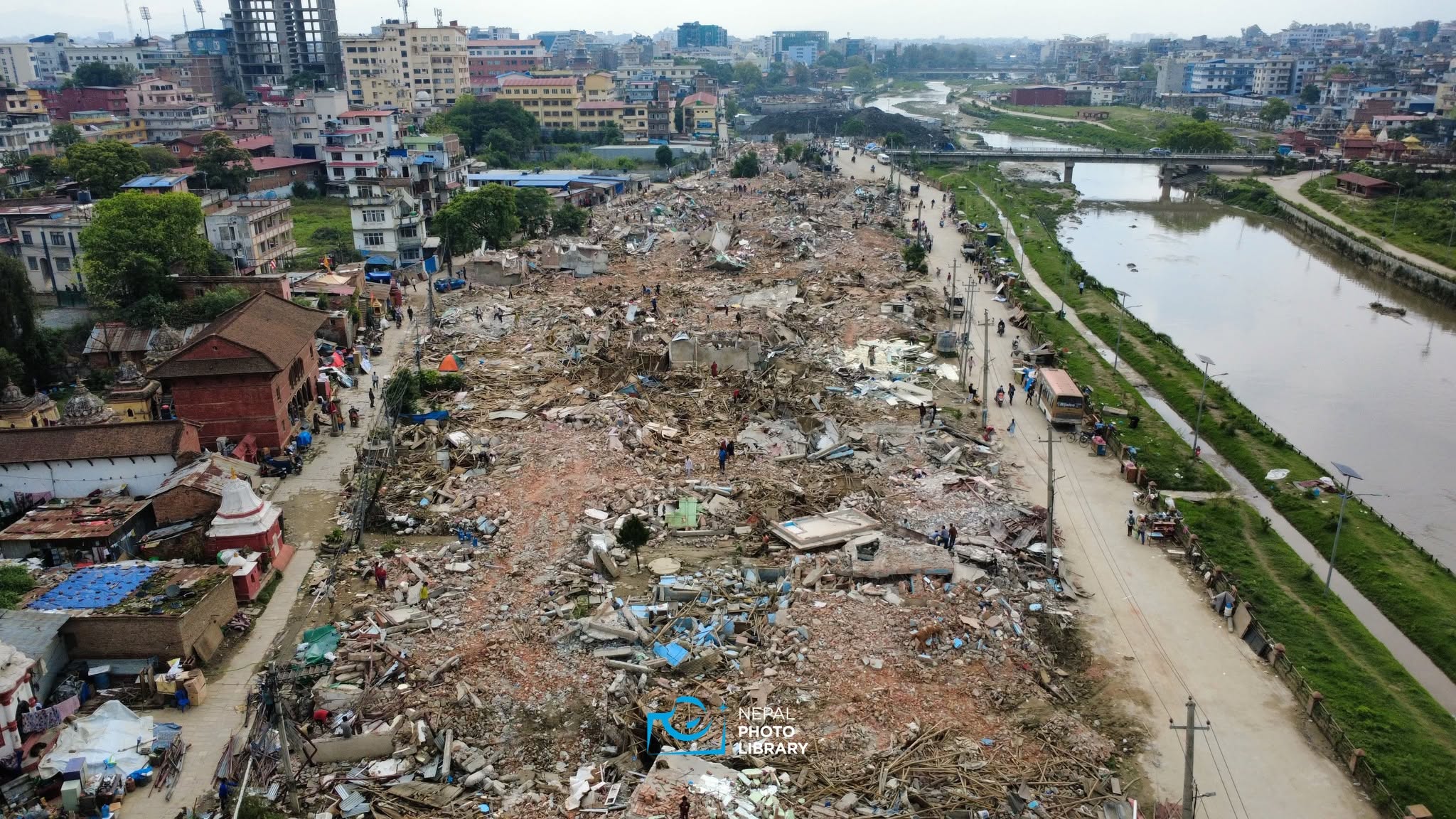
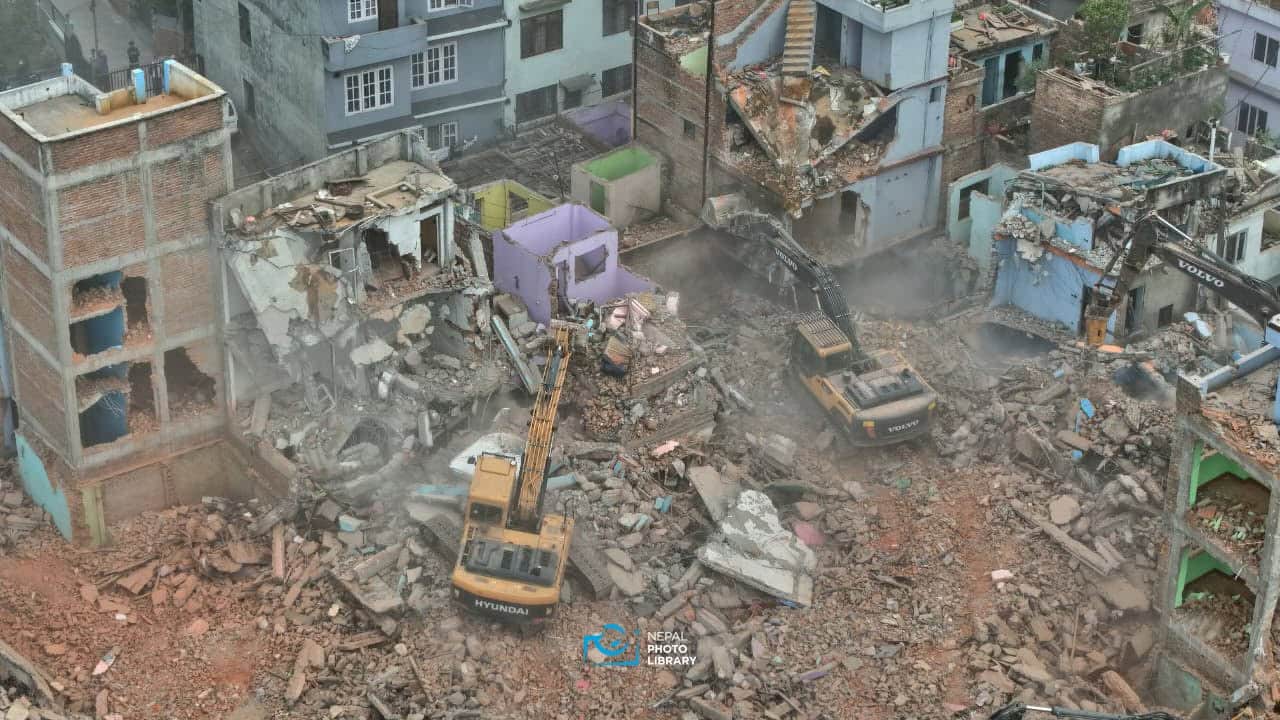
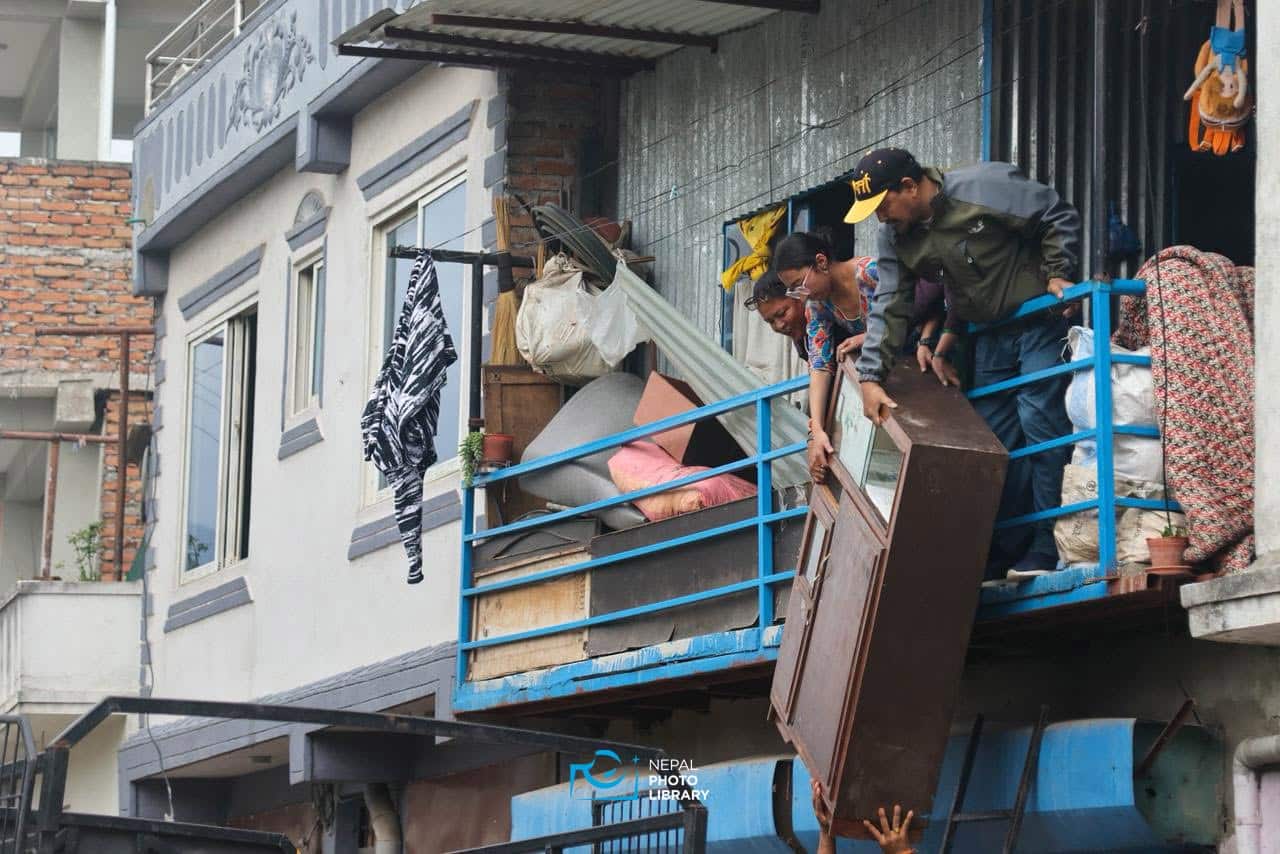
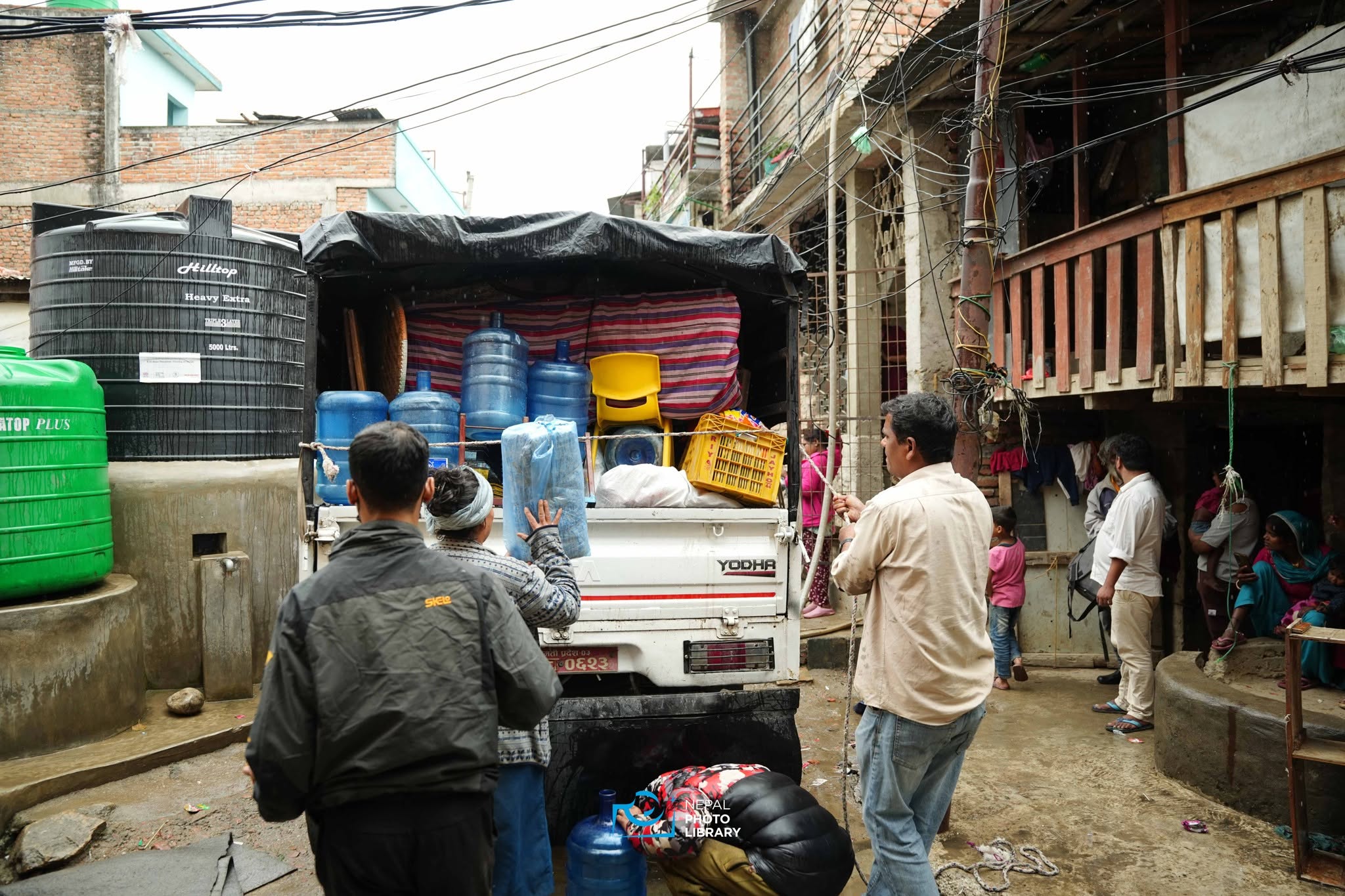
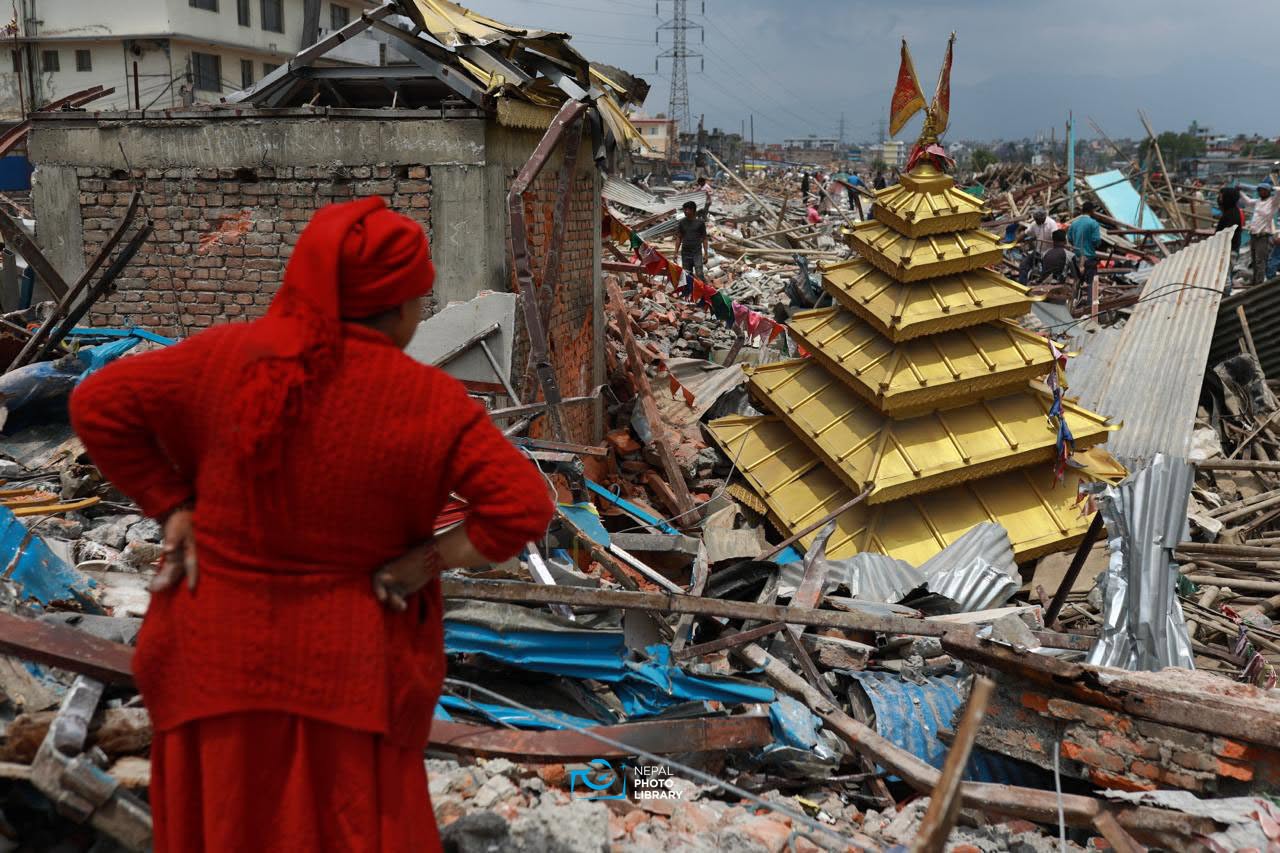
According to information documented by Nepali civil society organizations, more than 1,500 homes were demolished over a two-day period, displacing an estimated 3,500 families (approximately 11,000 people). Many of those affected have lived in these communities for decades and include Dalits, Indigenous Peoples, women-headed households, older persons, persons with disabilities, conflict-displaced families, and survivors of natural disasters. As of the time of reporting, no comprehensive resettlement plan had been publicly announced, leaving thousands of people in conditions of extreme vulnerability, with their most fundamental human rights severely infringed, and facing uncertainty regarding their future.
We stand in solidarity with the affected communities, our member the Women’s Rehabilitation Centre (WOREC), and civil society organizations across Nepal, and call on the Government of Nepal to immediately halt further forced evictions and uphold its obligations under national and international human rights law.
ESCR-Net echoes the concerns recently expressed by the United Nations Special Rapporteurs on the human rights of internally displaced persons, on adequate housing, and on extreme poverty and human rights, who urged the government of Nepal to halt mass forced evictions and reminded authorities that international human rights law prohibits evictions that result in homelessness or expose people to further human rights violations. The experts further warned that the reported demolitions appeared to have proceeded despite the absence of adequate alternative housing and called on authorities to ensure meaningful consultation and participation of affected communities in any relocation or resettlement process.
The reported evictions raise serious concerns under Article 11 of the International Covenant on Economic, Social and Cultural Rights (ICESCR), which protects the right to an adequate standard of living, including adequate housing. The UN Committee on Economic, Social and Cultural Rights has consistently affirmed that forced evictions are prima facie incompatible with the Covenant and may only occur in exceptional circumstances and in full compliance with international human rights standards. This must include genuine consultation, adequate notice, access to legal remedies, and the provision of adequate alternative housing before any eviction takes place.
Information gathered by civil society organizations indicates that these safeguards were not respected. Families reportedly received little notice, alternative housing had not been secured prior to demolition, and large deployments of security forces accompanied the operation. Reports also indicate that community leaders were arrested ahead of the evictions, raising additional concerns regarding the rights to freedom of expression, association, and peaceful assembly protected under the International Covenant on Civil and Political Rights (ICCPR).
We are particularly alarmed by reports concerning conditions at temporary holding centres, where displaced families, including pregnant women, postpartum women, infants, children, older persons, and persons with disabilities, have reportedly been housed in overcrowded conditions with inadequate privacy, sanitation, nutrition, and access to livelihoods. Reports indicate the absence of adequate facilities and services for women and children, restrictions on freedom of movement, and significant barriers to work, education, and healthcare. These conditions raise serious concerns regarding Nepal’s obligations under the ICESCR, the Convention on the Elimination of All Forms of Discrimination Against Women (CEDAW), the Convention on the Rights of the Child (CRC), and the ICCPR, all of which have been ratified by Nepal and therefore give rise to binding international legal obligations for the State.
The evictions further appear to be at odds with Nepal’s own constitutional and legal framework. Nepal’s Constitution guarantees the rights to dignity, adequate housing, food, equality, and protection from discrimination, while also obligating the State to provide land to landless Dalits and to support the identification and rehabilitation of marginalized communities through housing, land, and livelihood measures. Additionally, in July 2024, Nepal’s Supreme Court ruled that the clearance of riverside settlements could only proceed once adequate housing and appropriate alternatives had been secured for genuinely landless families. Furthermore, in May of 2026, Nepal’s Supreme Court issued an interim order directing the government not to evict or displace squatters and informal settlers from their current locations without following the due legal procedure. Thus, the reported absence of adequate alternative housing, the lack of a comprehensive resettlement plan, and the resulting displacement of thousands of people resulted in flagrant violations of these constitutional guarantees and judicial directives.
ESCR-Net calls on the Government of Nepal to:
- Immediately halt all ongoing and planned forced evictions and refrain from any actions that would result in homelessness, displacement, or further violations of human rights.
- Guarantee that no person is rendered homeless as a result of State action, in accordance with Nepal’s constitution and its obligations under international human rights law, including the International Covenant on Economic, Social and Cultural Rights (ICESCR).
- Ensure adequate housing and dignified living conditions for all displaced persons, including access to food, safe drinking water, sanitation, healthcare, education, social protection, and livelihood opportunities.
- Address the urgent needs of those currently residing in temporary holding centres, particularly women, children, older persons, persons with disabilities, and pregnant and lactating women, including ensuring access to adequate nutrition, healthcare, privacy, and protection.
- Provide restitution of housing, wherever possible and in accordance with the wishes of those affected, to all persons who have been unlawfully evicted, recognizing their right to security of tenure, and taking all necessary measures to ensure that they are able to reside in their homes in adequate conditions, with access to basic services and sanitation infrastructure
- Respect and protect the rights to freedom of expression, association, and peaceful assembly, including by immediately ceasing the criminalization, harassment, intimidation, or arbitrary detention of community leaders, human rights defenders, and those advocating for housing and land rights.
- Establish a transparent, participatory, and rights-based resettlement process, developed in meaningful consultation with affected communities and consistent with international human rights standards, including the right of displaced persons to participate in decisions affecting their lives and futures.
- Develop durable and equitable solutions to landlessness and housing insecurity that address the structural causes of exclusion and ensure access to adequate housing, land, and security of tenure for marginalized communities.
ESCR-Net is a global network of 360 social movements, civil society organizations, and human rights advocates working across over 80 countries and territories to advance economic, social, cultural, and environmental justice.