In Kono Boue, a community in Ogoniland, the flood came in a way people had never seen before.
In June 2024, water rose through homes and farmlands, displacing families and washing away crops. For many, it was the first time such flooding had reached this scale. As one community member recalled, they “woke up… to see their community devastated with flood,” with entire households forced to relocate.
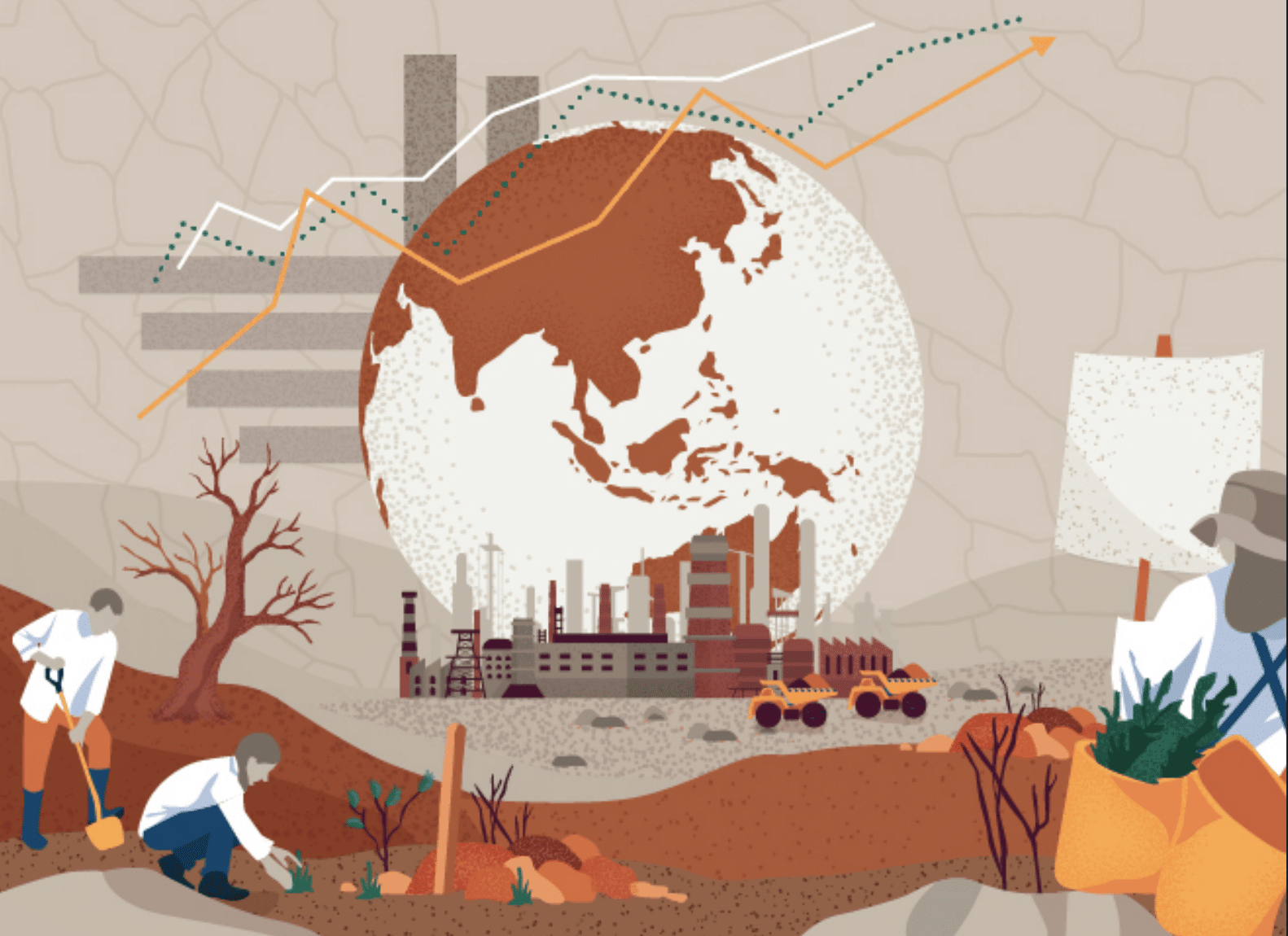
But this moment did not come out of nowhere. It arrived atop decades of environmental degradation, oil extraction, and gas flaring—pressures that have already reshaped the land and the conditions for life.
This is where the community-led research carried out by the African Indigenous Foundation for Energy and Sustainable Development (AIFES) begins: not with data points, but with lived experience.
Research shaped by those most affected
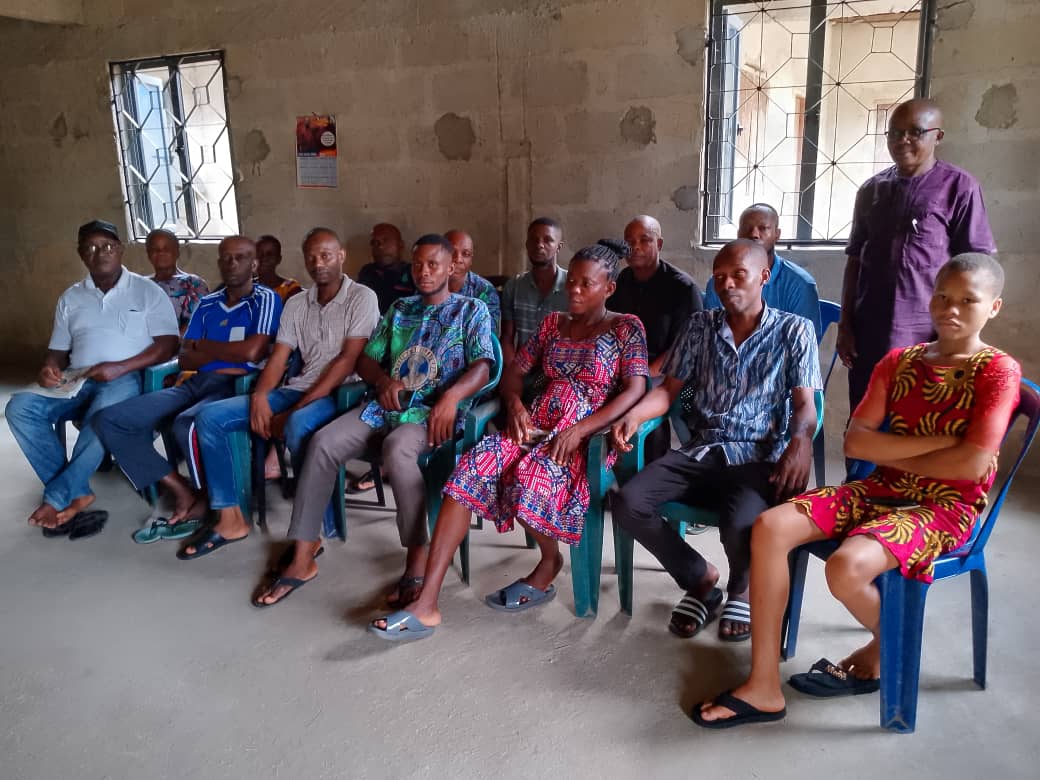
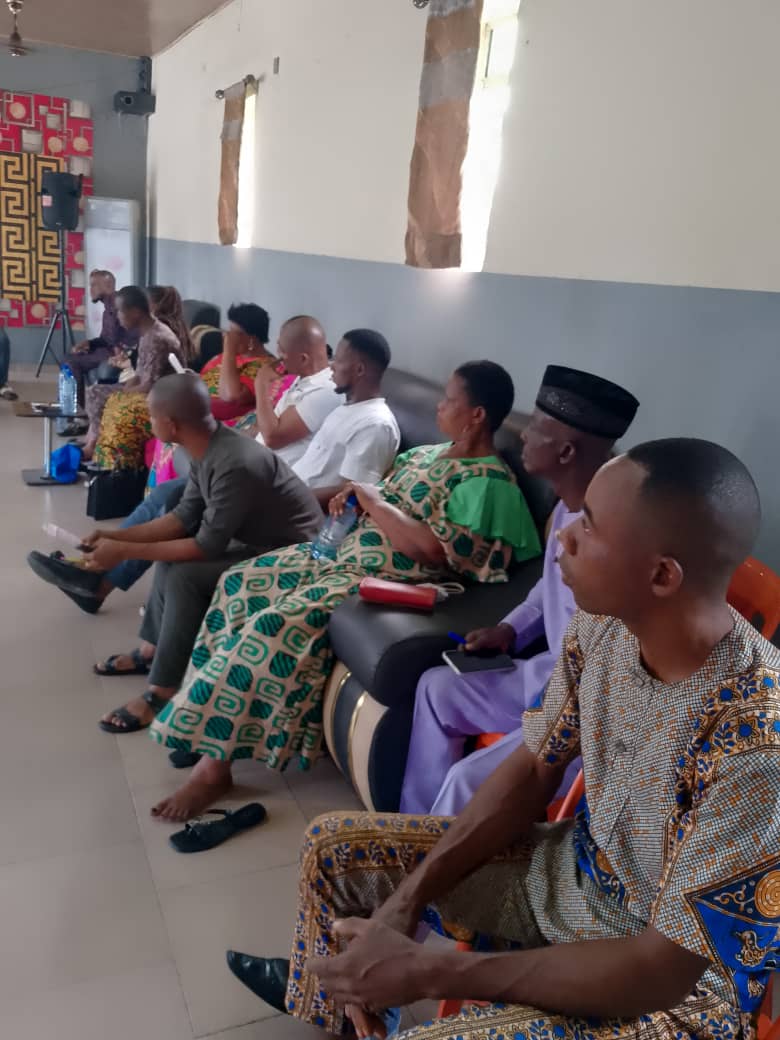
Across five communities in Ogoniland—Obolo-Ebubu, Korokoro, Kegbara Dere, Buan, and Kono Boue—community members came together to document what climate change is doing to their territories, their health, and their livelihoods.
Through focus group discussions, interviews, and surveys, people mapped changes they have been witnessing over time: shifts in rainfall, declining crop yields, contamination of water sources, and increasing health risks.
The process itself mattered. By leading the research, communities ensured that the findings reflected what is often missed in external assessments: the everyday realities of loss and damage, and the knowledge that comes from living through it.
Loss and damage, beyond the visible
What emerges from the research is a layered picture of loss. Floods are one part of it—more frequent, more intense, and increasingly unpredictable. But the damage goes further.
Farmers describe declining productivity. Families speak about water that is no longer safe. Health concerns are rising. And alongside these material impacts, there is something harder to measure: the erosion of ways of life, of knowledge systems, of the relationship between people and their land.
In Ogoniland, climate impacts cannot be separated from a longer history of extraction. Gas flaring and oil exploitation have contributed to environmental degradation for decades, intensifying vulnerability and narrowing the options communities have to respond.
Turning evidence into voice
Community members used the findings to organize, to engage authorities, and to articulate their demands. They held discussions within their communities, met with local stakeholders, and worked with civil society organizations to amplify their voices.
AIFES also engaged the media, helping bring these realities into the public domain. The findings and demands emerging from the research reached national outlets, ensuring that what is happening in Ogoniland is not confined to local conversations but enters broader public debate.
Communities are calling for stronger government responses to climate impacts, including measures that address loss and damage directly. They are demanding accountability for environmental harm linked to extractive industries, and support for community-led strategies that can strengthen resilience.
A different starting point for climate responses
What the Ogoniland research shows is simple but often overlooked: communities already understand what is happening, because they are living it.
Community-led research does not just produce evidence—it shifts who produces it, and who it is for. It creates space for communities to connect their experiences to broader struggles, and to bring those realities into national and global conversations on climate justice.