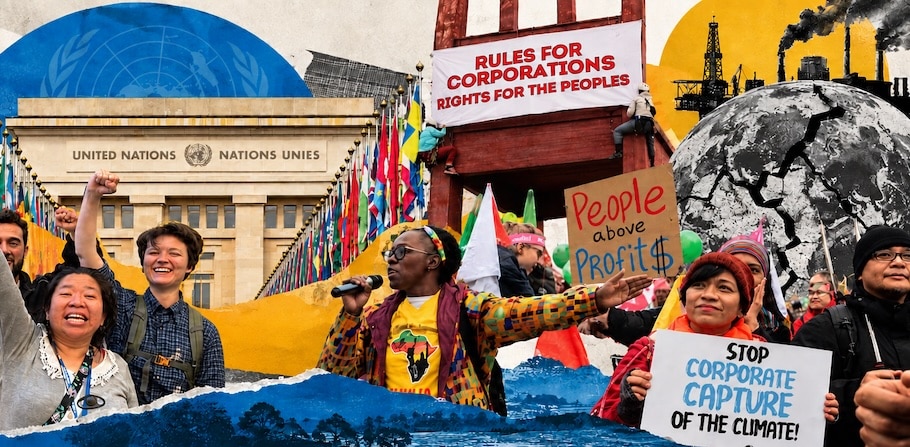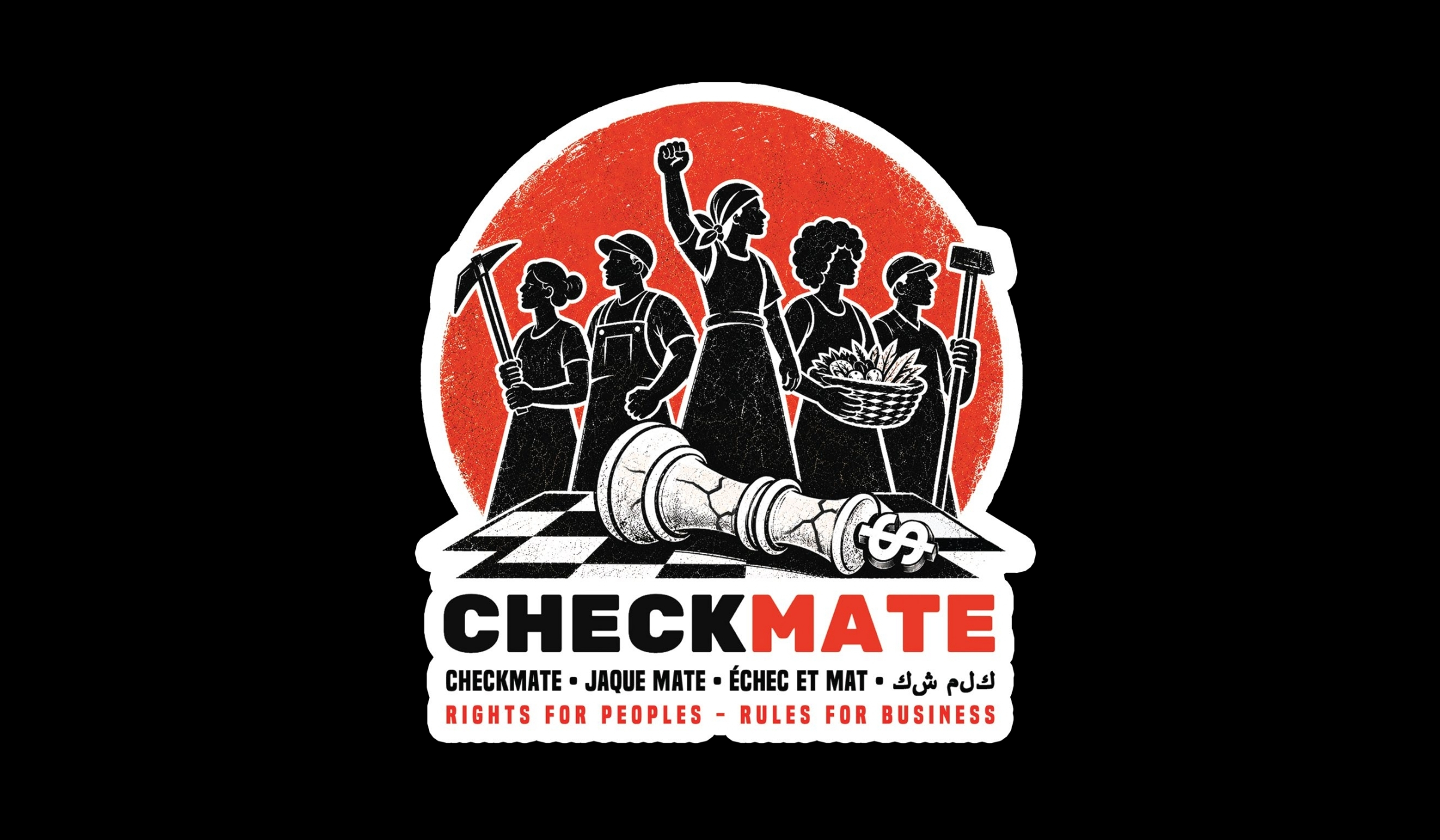
Geneva, Switzerland | 12 October 2026 | As the United Nations prepares for the 12th session of negotiations on a legally binding treaty on business and human rights, social movements, trade unions, Indigenous Peoples and affected communities have launched Checkmate, a global campaign demanding stronger international rules to hold transnational corporations accountable for human rights violations and environmental harm.
Launched in Geneva, the campaign seeks to mobilize people worldwide to challenge corporate impunity, confront corporate capture of public institutions, and demand effective access to justice and remedy for affected communities.
ESCR-Net – International Network for Economic, Social and Cultural Rights – has joined the campaign, alongside allied movements and organizations, reaffirming the urgent need for a strong and enforceable international treaty that places human rights above corporate interests.
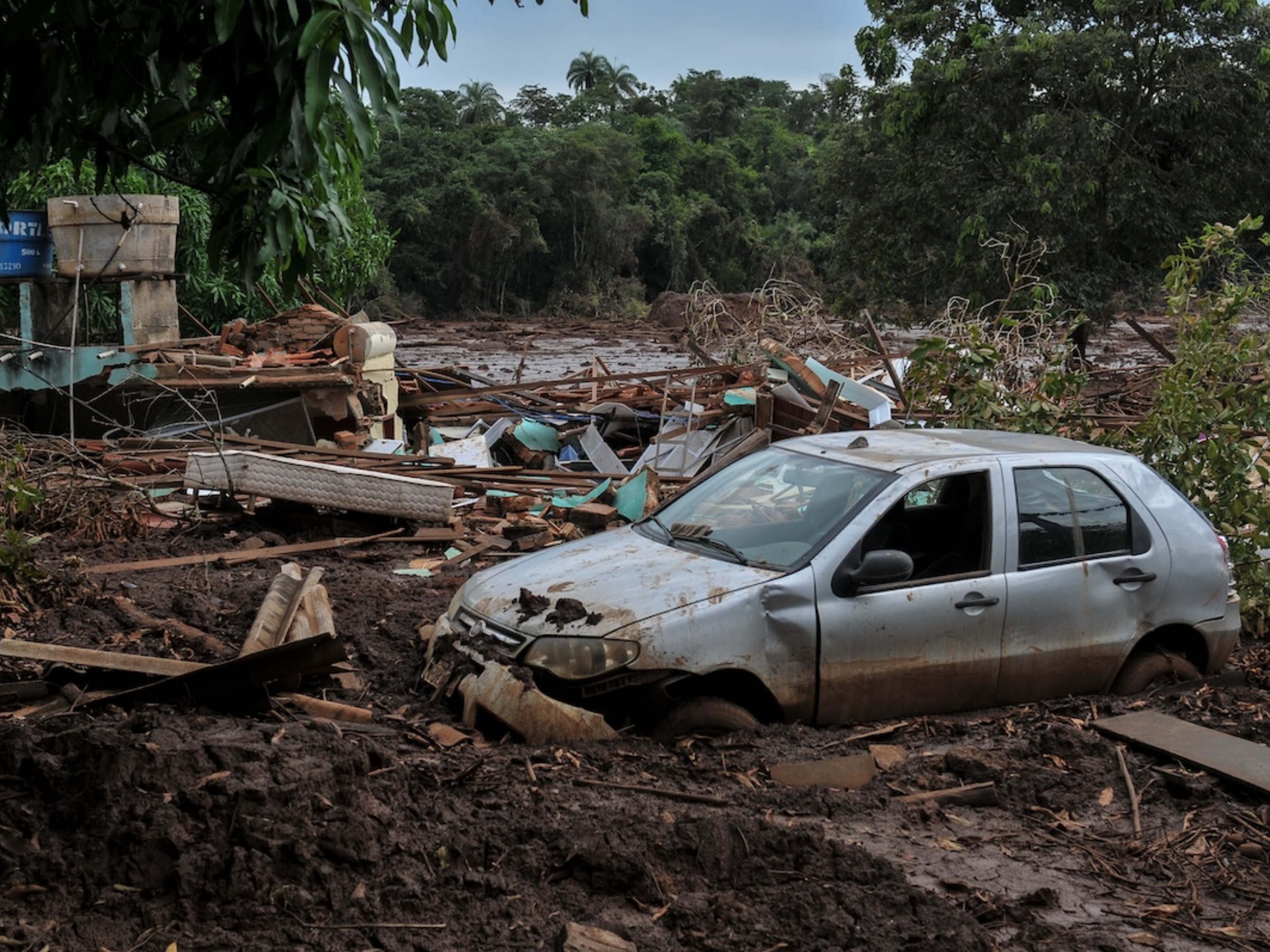
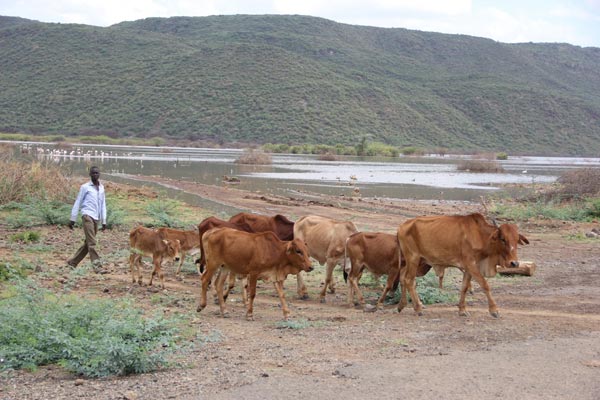
Across regions, communities continue to face land grabbing, environmental destruction, forced displacement, labor exploitation and attacks against human rights defenders linked to corporate activities. Yet gaps in international accountability mechanisms continue to allow transnational corporations to evade responsibility, particularly when their operations extend across national borders.
“Transnational corporations, from Mekorot to Chevron to Boeing, are complicit in the genocide against the Palestinian people, profiting by billions while violating human rights and destroying the environment across many regions. Through corporate capture, corporations turn governments and laws into tools to protect their power and profits, while communities in the millions are denied access to justice,” said Mona Sabella, Corporate Accountability Coordinator at ESCR-Net.
“A strong Binding Treaty is critical to ending this impunity and guaranteeing remedy for those on the frontlines. The power of the people outweighs the power of corporations. We are the 99%, and a strong legally binding instrument can end corporate capture and checkmate corporate power,” she added.
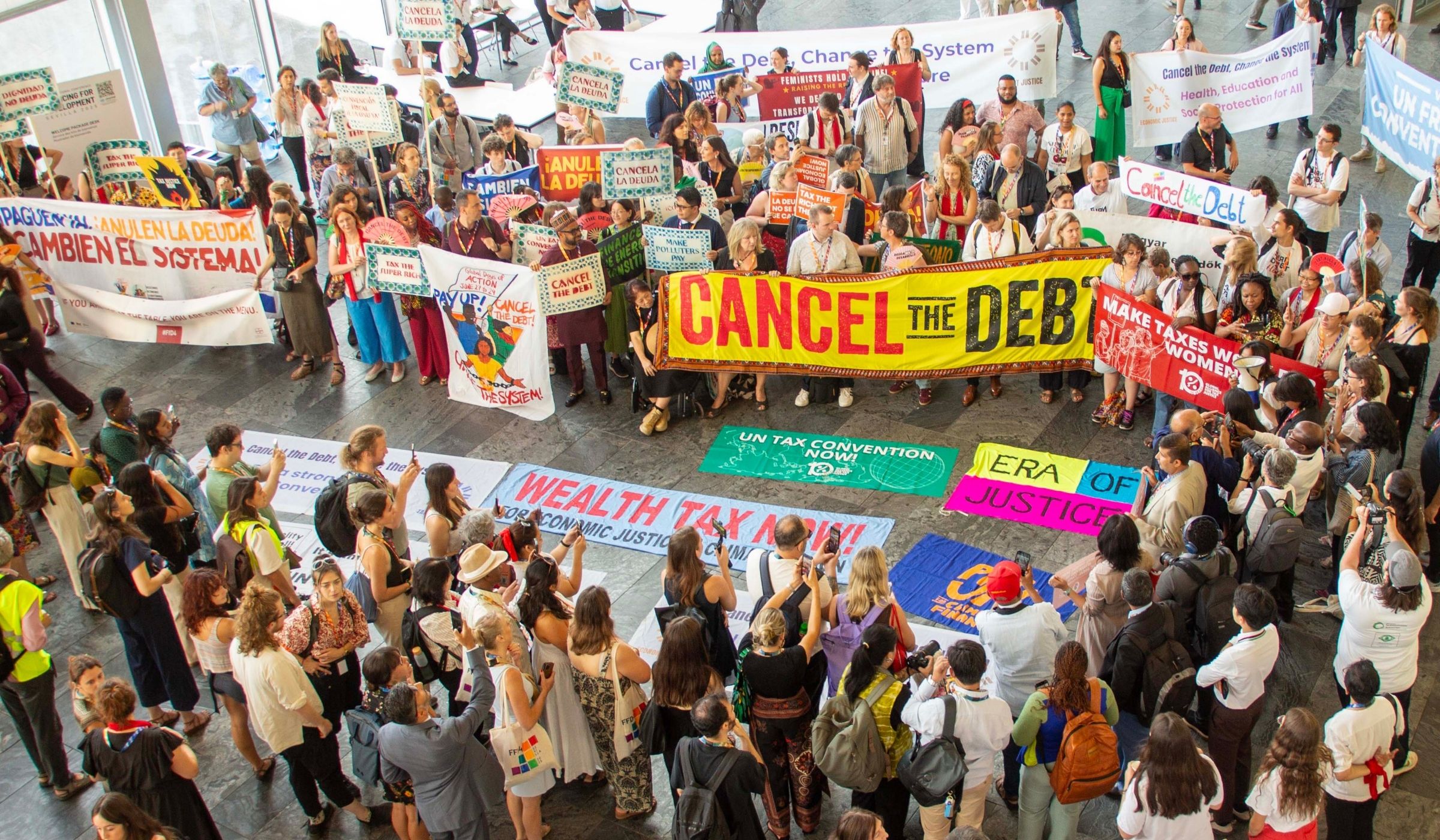
The Checkmate campaign brings together feminist movements, environmental justice organizations, workers, Indigenous Peoples and parliamentarians calling for international rules that address the structural conditions enabling corporate abuses.
“Land grabbing, biodiversity loss, pollution, the displacement of Indigenous Peoples, the consequences of corporate power are endless and devastating. Together, we’re demanding a strong, legally Binding Treaty that ends corporate impunity, protects our communities and territories, and guarantees peoples’ rights to food, land, and water,” said Letícia Paranhos of Friends of the Earth International.
The campaign also highlights the impact of corporate power on democratic decision-making and economic justice.
“There’s no true democracy or economic justice while transnational corporations hold more power than communities and the governments meant to hold them accountable,” said Dadah Kiram Ismula, Member of Parliament in the Philippines. “Our rights, livelihoods, and collective future have to come before corporate interests.”
Women and grassroots movements are also at the forefront of demands for corporate accountability, particularly in communities facing environmental destruction, displacement and threats against human rights defenders.
“This fight against corporate impunity is a grassroots feminist struggle because our territories are not for sale and our futures are ours to decide,” said Zakithi Sibandze of the Rural Women’s Assembly. “We’re demanding a strong, legally Binding Treaty that holds corporations accountable and guarantees justice and reparations for affected communities.”
Advancing a Binding Treaty to End Corporate Impunity
For ESCR-Net and its members, the ongoing UN negotiations represent a critical opportunity to address longstanding gaps in international law that allow transnational corporations to operate across borders without effective accountability.
A strong Binding Treaty must establish clear and enforceable obligations for States to regulate corporate activities, prevent human rights violations, ensure access to justice and effective remedies, and protect affected communities and human rights defenders.
As negotiations continue in Geneva, ESCR-Net stands alongside social movements and allied organizations demanding that the experiences, knowledge and priorities of affected communities remain central to the process.
Corporate power must not place companies beyond accountability. Human rights must be protected across borders.
Media Contacts
Checkmate Campaign
Sol Trumbo Vila
soltrumbovila@tni.org
Available in Geneva, 9–17 October 2026 | www.stopcorporateimpunity.org
ESCR-Net – International Network for Economic, Social and Cultural Rights
Esther de la Rosa
edelarosa@escr-net.org | www.escr-net.org
About ESCR-Net
ESCR-Net – International Network for Economic, Social and Cultural Rights – connects over 360 social movements, organizations and advocates across more than 80 countries working collectively to advance economic, social and cultural rights and build a global movement for human rights and social justice.