Filter By+

10/22/2026
Resource | Political Education & Campaigns
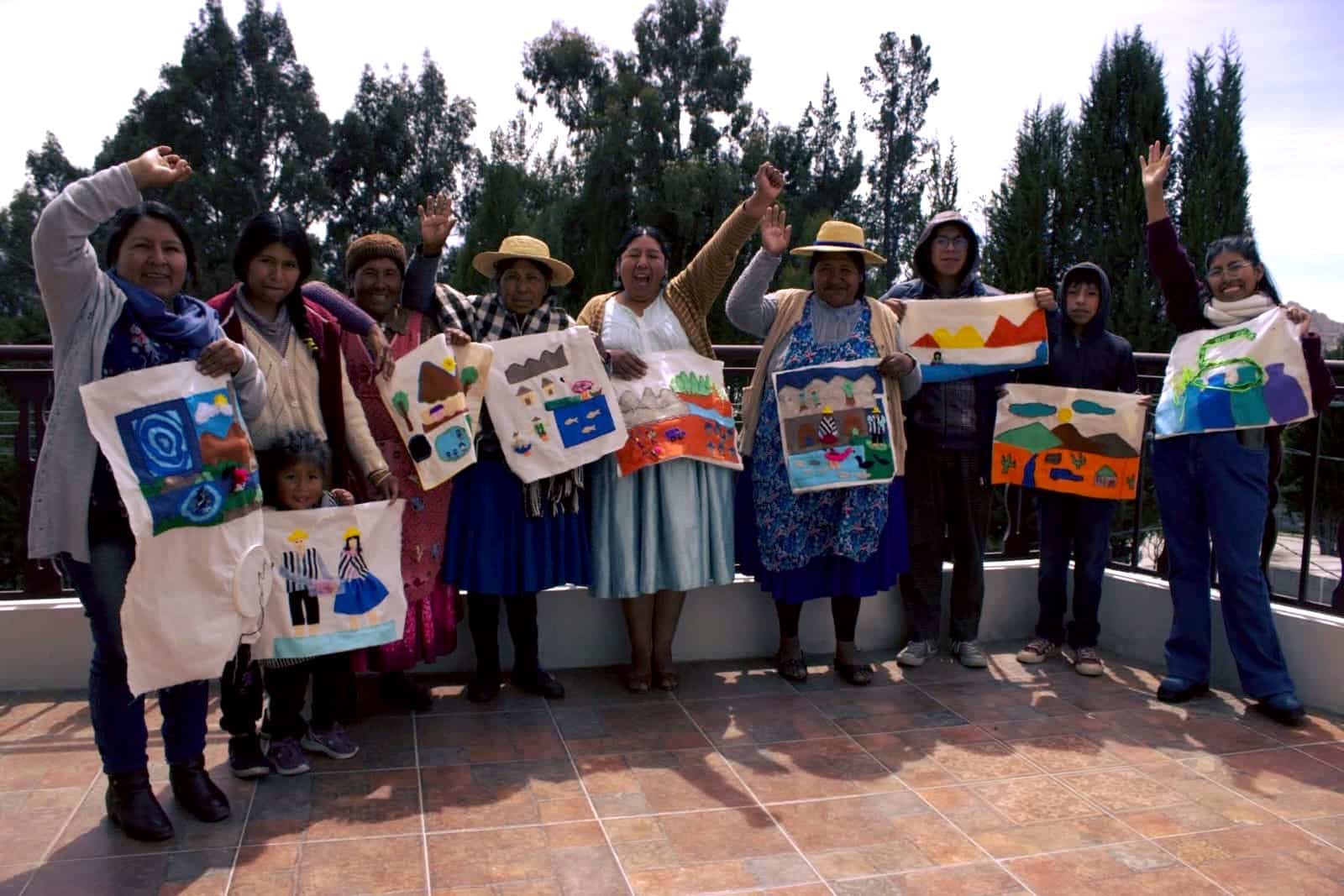
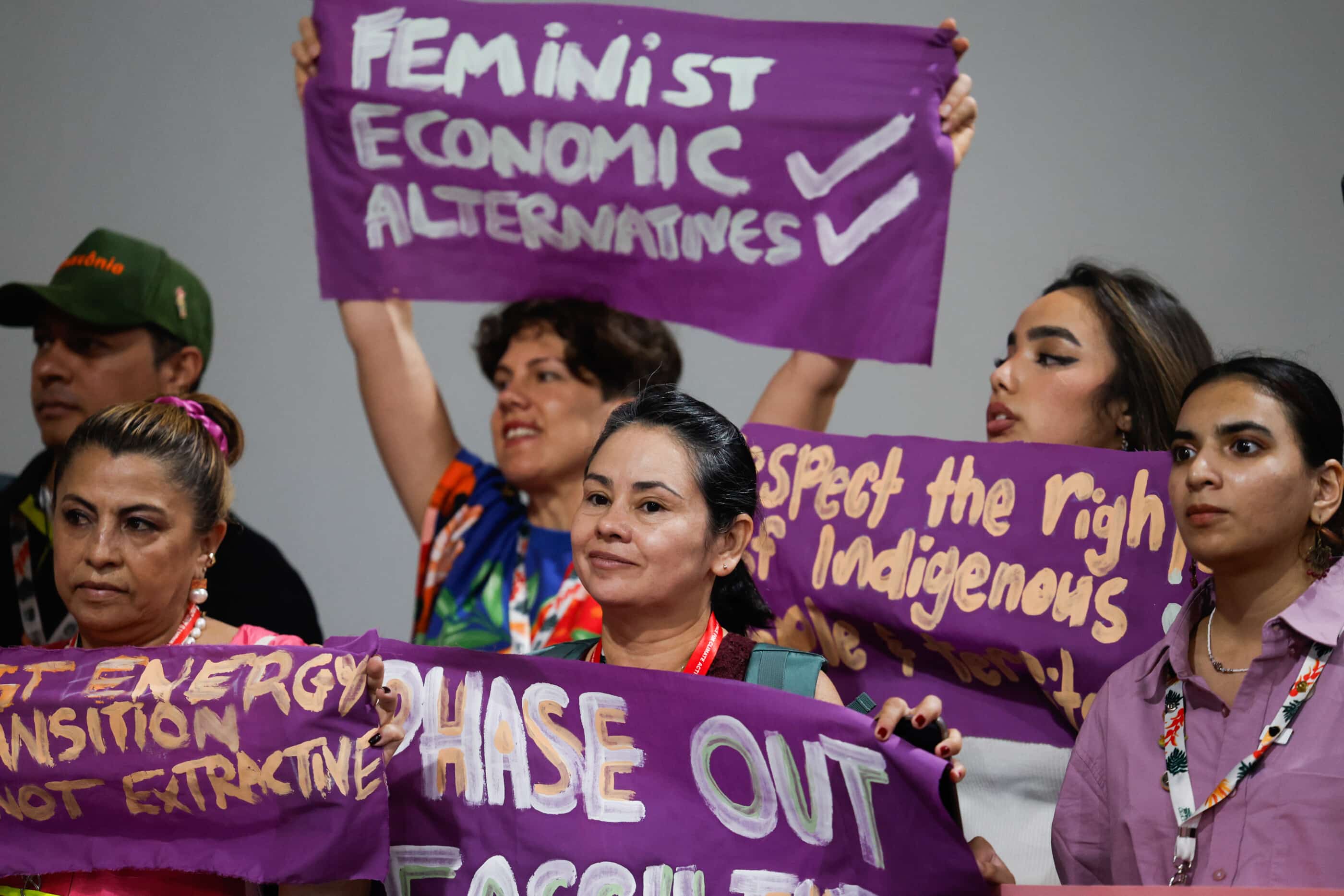
A new ESCR-Net political education resource explores how communities across regions are transforming care into a collective practice of resistance, solidarity, and economic justice.
10/22/2026
Resource | Advocacy | Reports & Briefings
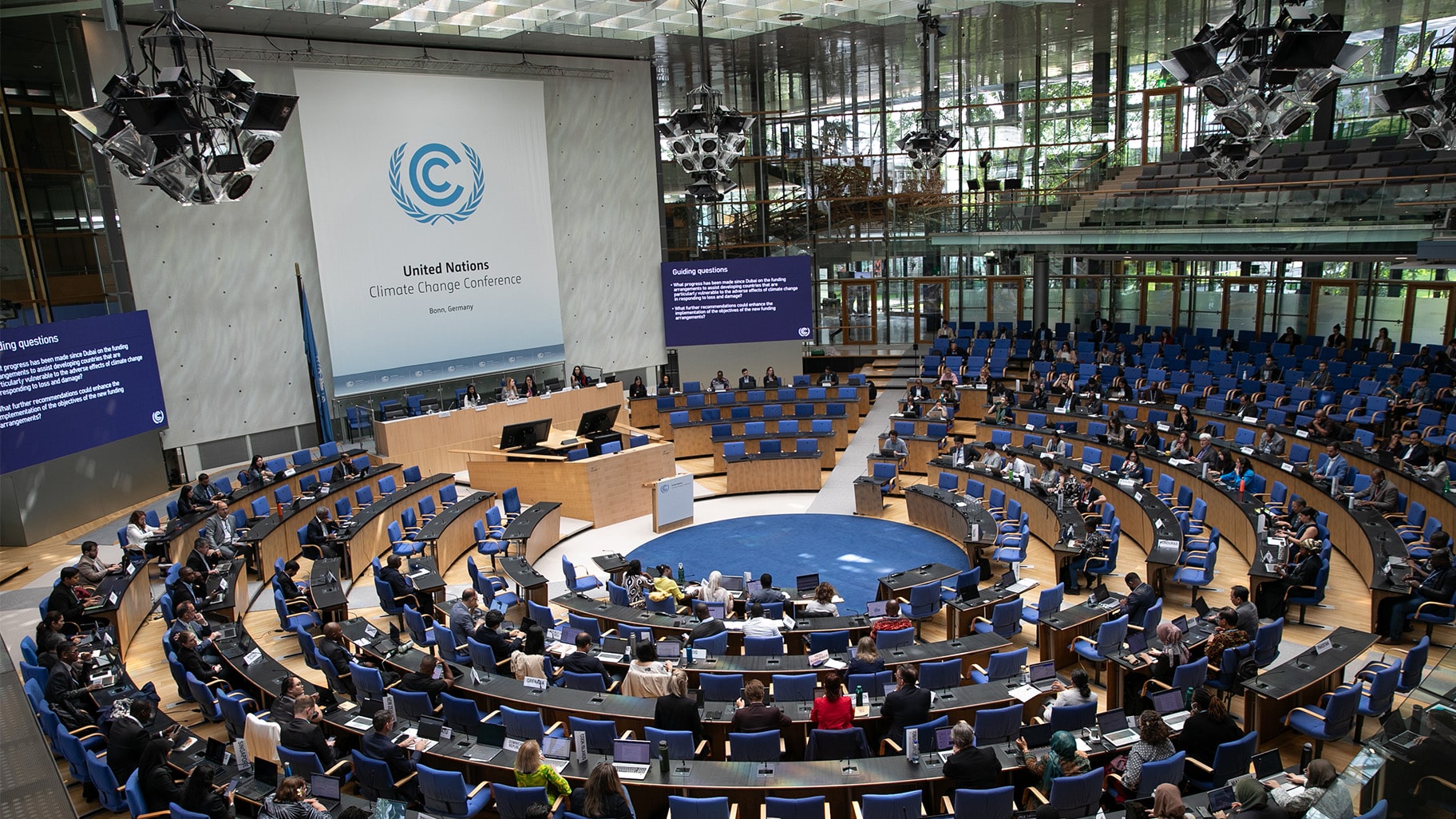
Ahead of the 31st UN Climate Change Conference (COP31) in Türkiye this November, ESCR-Net members present a collective advocacy agenda demanding climate justice, reparations and accountability. Grounded in the struggles of frontline communities, the new policy brief sets out six interconnected demands to confront the systemic drivers of the climate...

10/12/2026
Article | Press Releases
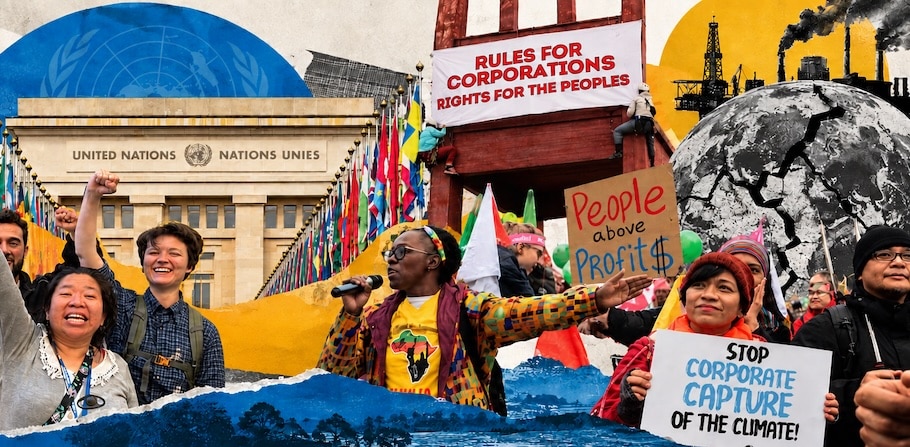
Global movements, trade unions, Indigenous Peoples and affected communities mobilize to challenge corporate impunity and demand access to justice.
10/06/2026
Resource | Advocacy | Reports & Briefings
08/13/2026
Article | News & Events